
Back to Articles
Asia Port Congestion Drives Trans-Pacific Rates to New Highs
Share
Link Copied

Link Copied

U.S. manufacturing kept expanding in August, but barely, and the Institute for Supply Management’s chair says she is starting to see warning signs. A wave of typhoons across Asia is doing more damage to shipping schedules than anything since the pandemic, pushing on-time container performance to its worst level in five years and driving trans-Pacific spot rates to fresh highs.
Domestic transportation capacity kept contracting too, just at a slower pace than July’s near-record squeeze, while manufacturers kept investing in U.S. production despite tariff uncertainty. Continue reading to see how these pressures are reshaping freight decisions heading into peak season.
Manufacturing Growth Slows in August as Economic Concerns Loom
The U.S. manufacturing sector expanded for an eighth consecutive month in August, but at 54.6%, growth slowed a full point from July, according to the Institute for Supply Management’s latest Purchasing Managers’ Index. New orders and the order backlog both lost ground, and ISM Chair Susan Spence said it is the first month she has seen a drop of more than three points across several key measures, pointing to the Iran war and tariff threats as the biggest concerns. Five of the six largest manufacturing industries still expanded though, which comes as a relief.
On-Time Container Shipping Suffers Biggest Drop in Five Years
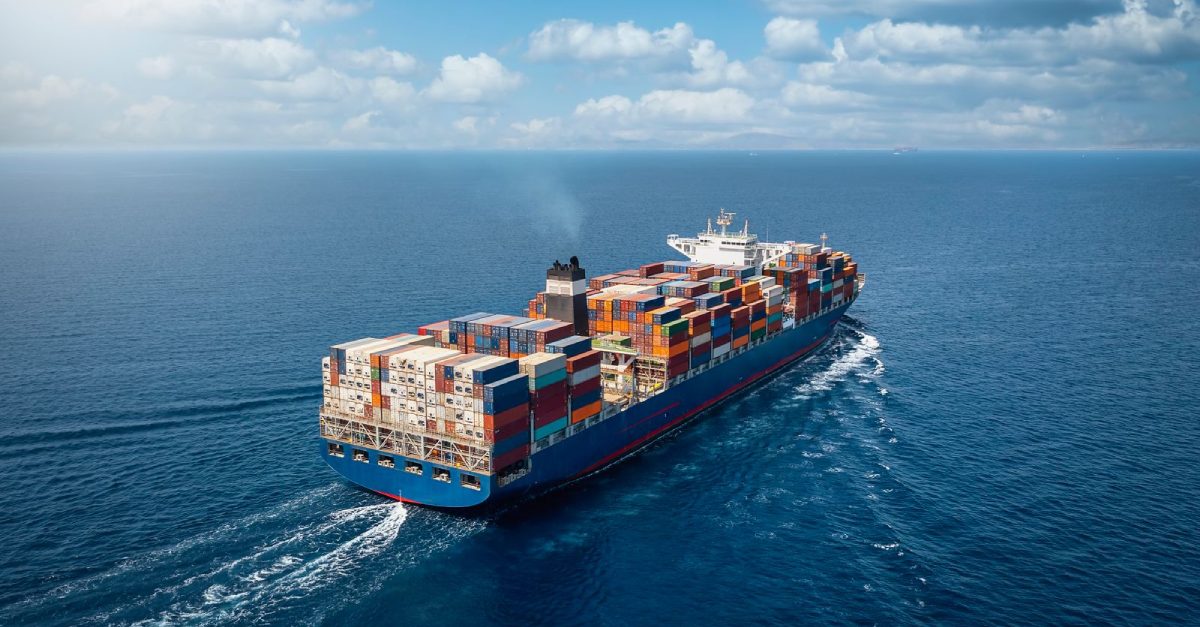
Global container vessel schedule reliability fell to 56.4% in July, a 6.1 percentage point drop from June and the sharpest single-month decline since January 2021, according to Sea-Intelligence data. Severe weather across Asia hit all 14 of the region’s busiest ports, with Shanghai suffering the steepest fall: just 21% of vessels arrived on time, the worst reading in 14 years of recorded data. Yantian, Hong Kong, and Ningbo all posted double-digit percentage point declines. Sea-Intelligence warned the backlog will cascade into new delays on major lanes ahead.
More OEMs Plan Reshoring Investments Despite Tariff, Cost Uncertainty
In the 2026 Reshoring Survey Report, 36% of manufacturers said they are actively reshoring or have already reshored, up from 29% a year ago. Another 31% have no plans to reshore. Tariffs and geopolitical risk remain the top reasons cited, and 63% now plan capital investments in domestic expansion, though satisfaction with results has slipped to 65% from 96% a year earlier, with labor and overhead costs among the biggest drawbacks.
Trans-Pacific Spot Rates Reach New Highs on Resilient Demand, Port Congestion
Asia-U.S. West Coast rates rose 2% to $7,621 per forty-foot unit last week, and East Coast rates climbed 2% to $9,791. Peak-season demand has stayed unexpectedly firm since starting early in May, and analyst Judah Levine said the absence of new July tariff increases is helping support volumes.
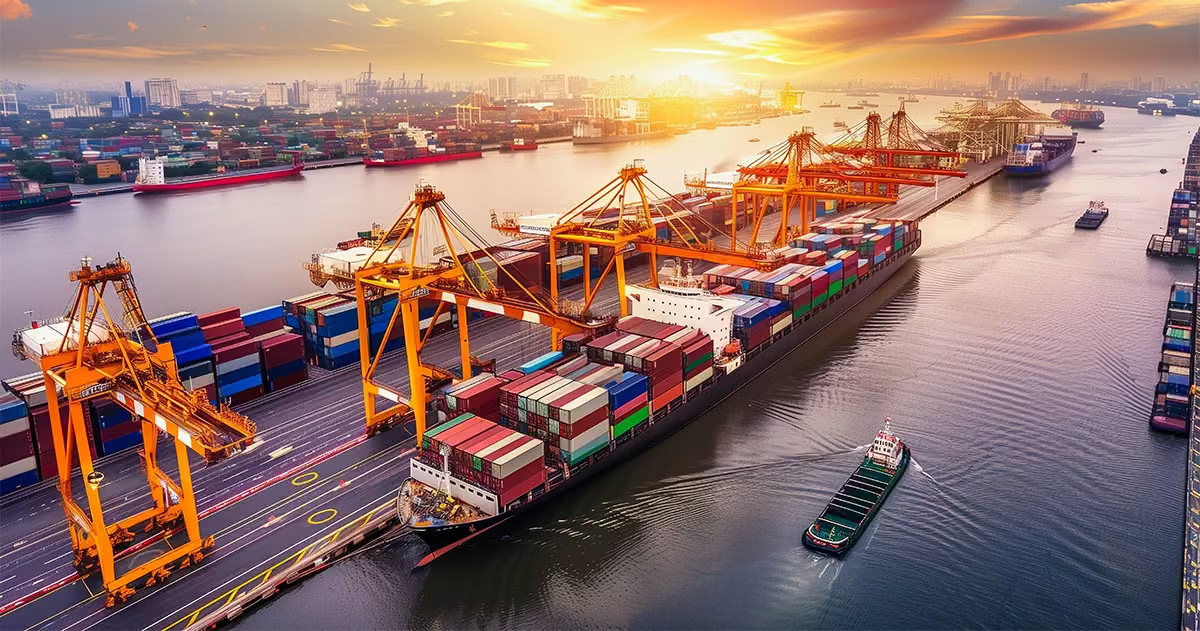
The same Asian port congestion driving down schedule reliability is tightening effective vessel capacity, forcing carriers to omit port calls and reroute cargo through transshipment hubs. Asia-Europe rates have retreated from their July peak but remain 40% to 70% above pre-peak May levels, echoing the pressure we flagged when Asia-U.S. rates first surged this summer.
Transportation Capacity Contraction Slows in August
U.S. transportation capacity kept shrinking in August, but the Logistics Managers’ Index put the contraction rate at 40, an 11.6-point improvement from July’s near-record pace. Transportation pricing kept climbing regardless, with the pricing index hitting 90 for the fourth time in five months. Aggregate logistics costs reached 243.6, well above the 150 breakeven level, as the Iran conflict pushes supply chain costs higher across the board. Incidentally, this is the kind of sustained pricing pressure we spoke about when diesel spikes and tightening capacity first rattled supply chains earlier this year.
What This Means for Shippers
It is clear that costs and complexity are rising across freight networks even as demand signals send mixed messages. APL Logistics’ transportation network is built to absorb capacity swings and rate volatility like what we see this month.
Shipping internationally means coordinating freight, customs, warehousing, and last-mile delivery, often with different providers who don’t communicate with each other. With operations in more than 60 countries and over 200 facilities, APL Logistics brings it all under one roof. This way, you won’t chase updates across four different vendors or find out about problems after the fact. Contact us today to get started.
Back to Articles
Updates
Subscribe to The Pulse Newsletter
Get in Touch
Whether you have a question, need support, or want to learn more about our logistics solutions, fill out the form below and our team will get back to you as soon as possible.
We'll be in touch soon.

Your Partner for Connected, Integrated Solutions
APLL works with enterprises that manage complex supply chains, delivering custom solutions and reliable execution.