Back to Articles
Ocean Rates Hit One-Year High as U.S.-China Truce Extends

Share
Link Copied

Link Copied

A third-party logistics heavyweight is getting a whole lot bigger, and the freight market is still coming to terms with the turn of events. The largest freight brokerage in the market, C.H. Robinson, has agreed to acquire RXO, the third largest in the business, reshaping the entire brokerage landscape. In other news, manufacturers report mounting cost pressure, ocean spot rates sit at their highest point of the year, and air cargo buyers are rewriting how they contract for capacity.
Each news item this week points to the same reality: volatility is pushing shippers and providers alike toward scale and flexibility. Continue reading to see what these events mean for your freight planning.
Ocean Rates Hit One-Year High as U.S.-China Truce Extends
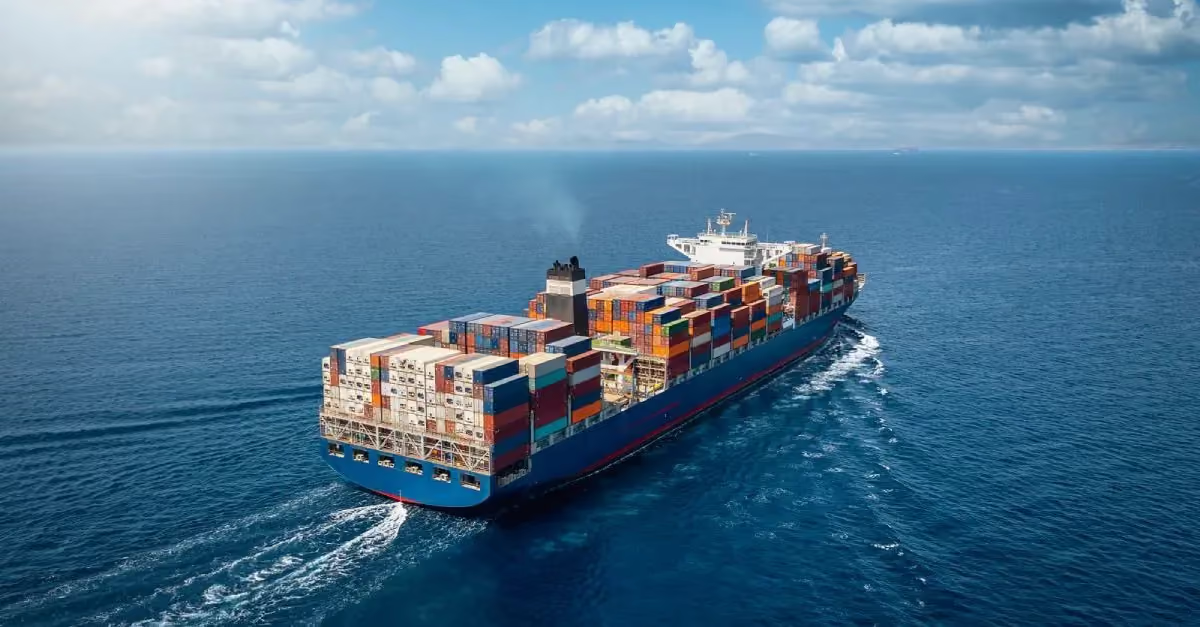
Trans-Pacific rates keep climbing even as policy risk eases. Asia-West Coast spot rates rose to $8,400 per FEU, a new high for the year, while East Coast rates held near $9,600, about $200 below their late-August peak. A two-month extension of the U.S.-China trade truce, which had been set to expire November 10, also cuts tariffs to most-favored-nation levels on roughly $30 billion of imports in each direction, led by toys on the U.S. side, and makes a delay of planned port fees on China-linked vessels more likely, though none has been formally announced.
The persistence of high rates traces to capacity management as carriers extended blank sailings into late October and some trimmed allocations to contracted forwarders. Sea-Intelligence estimates port delays are absorbing more than 8% of global vessel capacity and could take up to 10 months to unwind. Higher bunker costs tied to the Strait of Hormuz closure may set a firmer floor under rates even if seasonal demand fades, which matters heading into Lunar New Year.
Rising Costs Complicate Manufacturing Picture
U.S. manufacturing activity expanded for a ninth straight month in September, but the details behind the headline show where pressure is building. The PMI came in at 54.5, slightly below August and below consensus expectations, while new orders rose to 55.3 and the backlog of orders climbed to 56.4. The prices index tells the other half of the story: it jumped 6.8 points to 77.9, with 58.6% of respondents reporting higher prices as raw material costs rose for a 24th straight month.
Supply executives named elevated diesel, tariffs, the Iran war, and longer lead times as top concerns, and supplier deliveries signaled slower delivery times for a 10th consecutive month. Customers’ inventories remained too low, which usually supports future production, although higher interest rates could discourage firms from restocking aggressively.
The freight link is direct: the industrial economy typically accounts for about two-thirds of less-than-truckload revenue, and the ISM data tends to lead LTL volume turns by roughly three months, so continued expansion points toward firmer LTL demand into winter.
Air Freight Buyers Shift to Shorter, Flexible Contracts
Air cargo volumes grew 6% year over year in September, extending gains from July and August, and the way shippers buy capacity is changing faster than the volumes themselves, according to Xeneta data. Spot rates averaged $3.10 per kilogram, up 27% from a year ago, supported by higher jet fuel costs with Brent crude above $100 early in the month, while capacity grew 2% and the load factor rose two points to 62%.
The contract data is the more revealing number, with 60% of new contracts starting in the third quarter running three months or less — up from 25% a year earlier. Buyers are accepting more frequent renegotiation in exchange for protection from locking in a rate the market quickly overtakes. Xeneta still expects a muted peak season and roughly 4% demand growth for 2026, and has not yet seen cargo move from ocean to air in the data, the trade-off we outlined in Cost Versus Speed in Logistics: What to Do When Ocean Freight Is Too Slow and Air Freight Too Expensive.
What This Means for Shippers
It is clear that scale, flexibility, and cost visibility are becoming the currency of freight planning, from a major 3PL resetting to shippers’ desire for three-month air contracts. Smart shipping has always meant coordinating freight, customs, warehousing, and last-mile delivery, often with different providers who don’t communicate with each other.
With operations in more than 60 countries and over 200 facilities, APL Logistics brings it all under one roof. This way, you are not chasing updates across four different vendors or finding out about problems after the fact. Contact us today to get started.
Back to Articles
Updates
Subscribe to The Pulse Newsletter
Get in Touch
Whether you have a question, need support, or want to learn more about our logistics solutions, fill out the form below and our team will get back to you as soon as possible.
We'll be in touch soon.

Your Partner for Connected, Integrated Solutions
APLL works with enterprises that manage complex supply chains, delivering custom solutions and reliable execution.