
Back to Articles
Trucking Jobs Stall as Ocean Rate Split Nears Record

Share
Link Copied

Link Copied

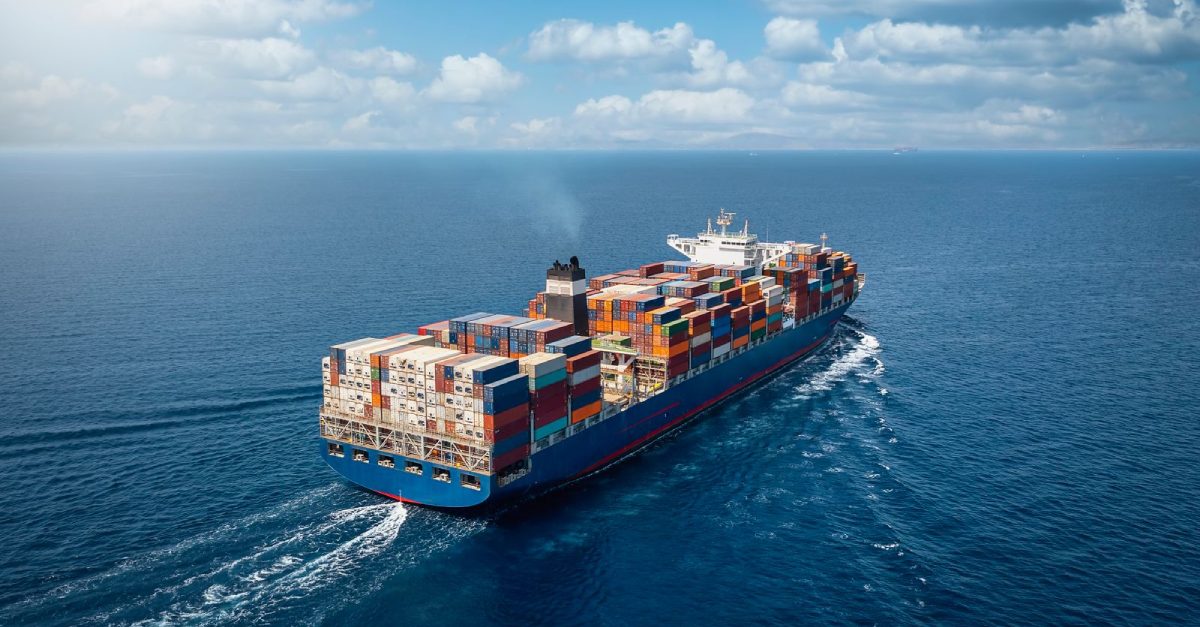
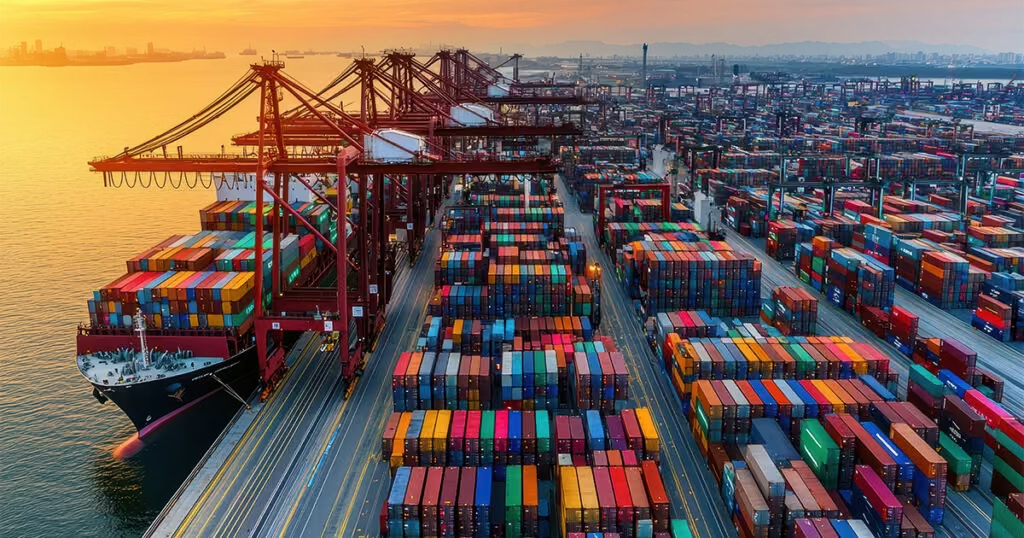
North American freight and global ocean shipping are sending mixed signals. Trucking employment is barely moving, but warehouse hiring is picking up some ground. Risk in the Red Sea, disruption via the Strait of Hormuz, and carrier route changes are pulling ocean pricing apart across the Atlantic and Mediterranean. The result is a freight logistics market in which the rules of capacity, labor, and trade no longer march in the same direction.
This edition of our news roundup points to a market still working through the effects of weak consumer demand, stronger infrastructure demand, trade policy risk, and fragile maritime security. Continue reading to find out more.
Trucking Jobs Stall as Warehousing Rebuilds Momentum
Employment in the truck transportation sector in June was flat, with Bureau of Labor Statistics data showing just 1,000 more workers than in January and April. The sector lost 1,300 jobs in June, the fourth drop in five months, and June’s total of 1,466,600 jobs is still below the 1,467,200 at the end of 2025.
Weak trucking conditions, higher operating costs, and increased regulatory pressure are limiting carriers’ ability to hire and retain drivers. The June drop was partly due to downward revisions, but consumer spending remains shaky. Warehousing told a different story, adding 18,100 jobs over three months, yet employment remains below June 2025 levels.
Hormuz Disruption Pushes Asia-Europe Rate Split Near Record
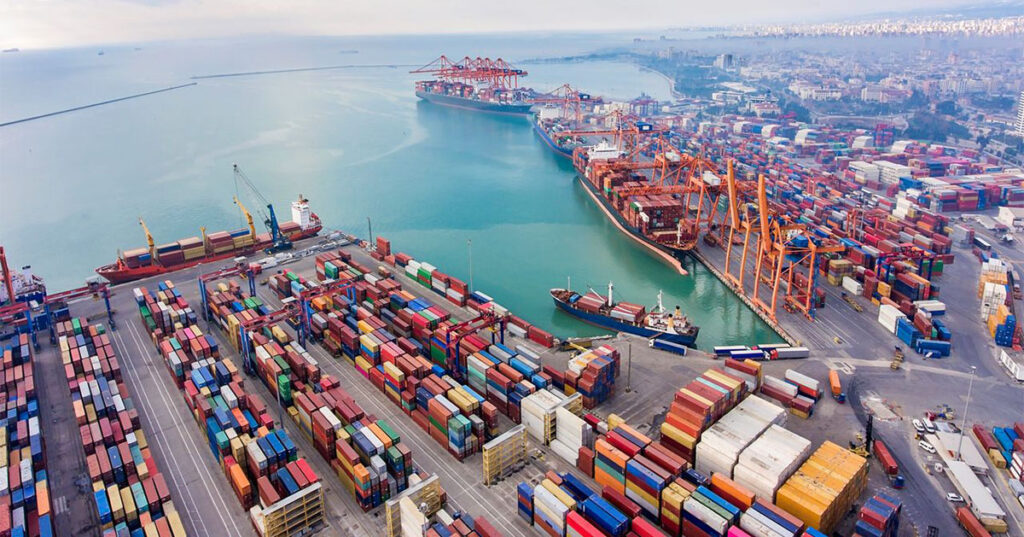
According to analysis by Sea-Intelligence of Drewry’s World Container Index data going back to 2012, the price gap between Asia-North Europe and Asia-Mediterranean container services is nearing record levels. The spread is $1,678 per 40-foot, a level surpassed only during an eight-week period in 2022, when post-pandemic disruption was at its worst.
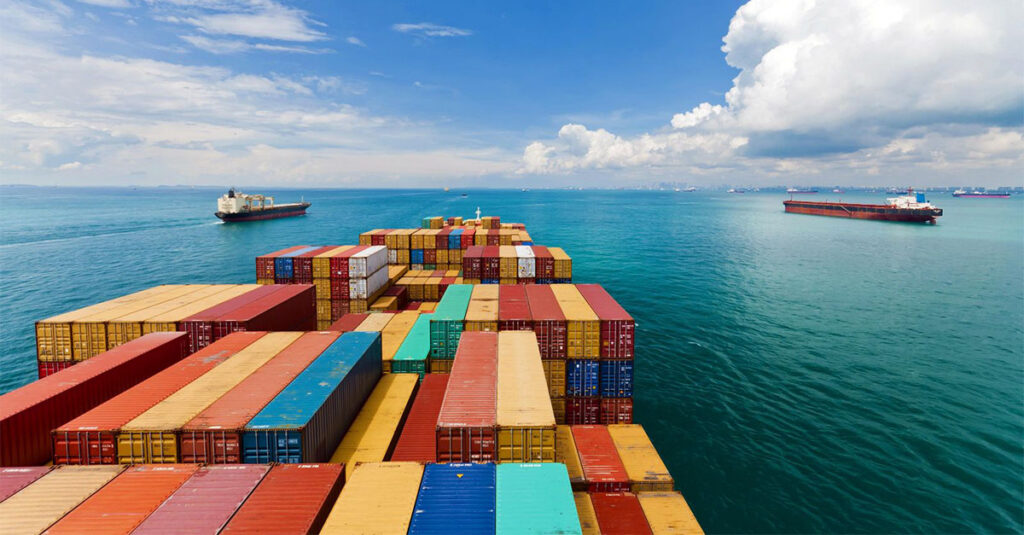
Rates for the Mediterranean are generally higher as smaller vessels ply that lane, but the recent disparity seems linked to the Strait of Hormuz crisis. Some cargo from the north is being rerouted through the Mediterranean and down into the Red Sea, adding pressure on demand. Asia-U.S. coast spreads, by contrast, remain within normal historical ranges.
Data Center Demand Carries Freight as Housing Slows
The DAT dry van report points to a growing gap in construction freight. There is more demand for work in data centers and less demand for housing-related loads. The Associated Builders and Contractors’ Construction Backlog Indicator rose to 9.1 months in May, the highest level in nearly three years.
Contractors working on data center projects said they had a backlog of 11.6 months, compared with 8.6 months for others. That means more freight in steel, rebar, switchgear, transformers, generators, and precast concrete. Residential construction is weaker: single-family starts fell to an annual rate of 882,000, down 6.7% year over year. National dry van linehaul rates increased 5 cents to $2.43 per mile, and load postings were up 16% for the week.
USMCA Extension Pauses as North American Trade Talks Begin
The U.S., Mexico, and Canada have begun the required joint review of the USMCA, but the pact will not be extended for another 16 years yet. The deal is set to last at least until 2036, with annual reviews until the three countries agree on changes. As for changes, Canada wants to keep tariff-free access and negotiate on steel, aluminum, autos, lumber, and de minimis rules.
Liners Test Suez Return as Red Sea Risk Remains
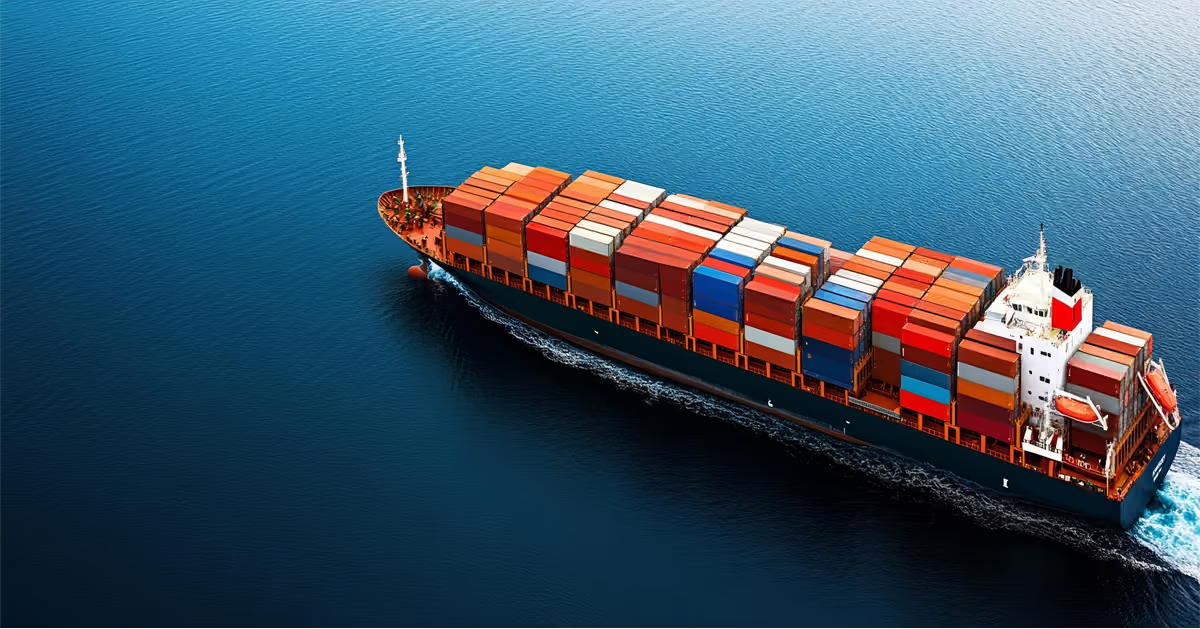
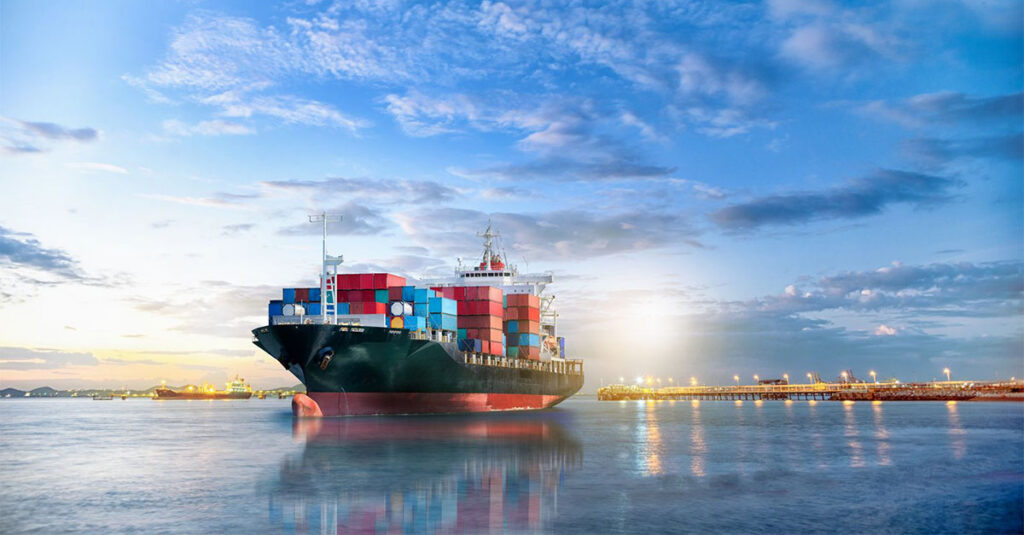
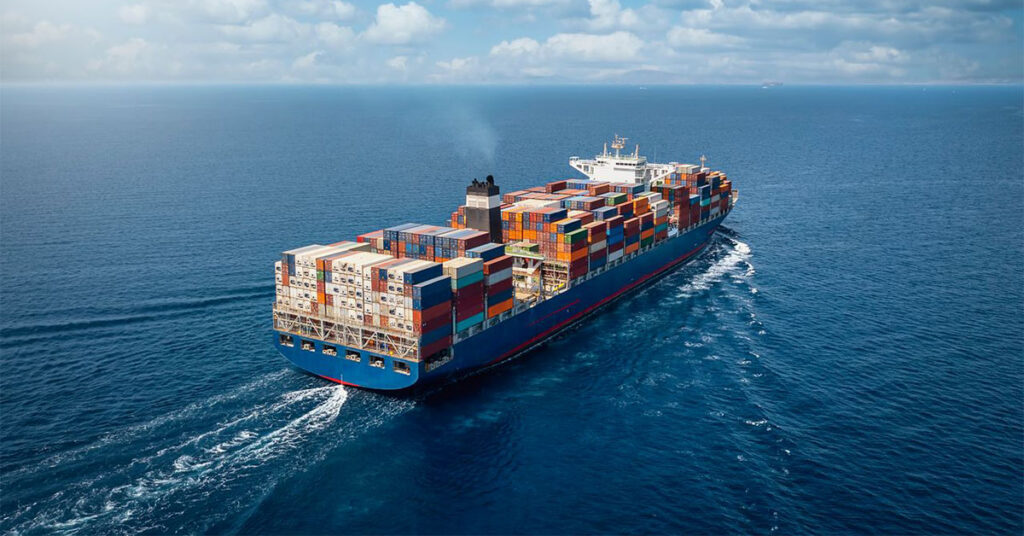
Maersk and Hapag-Lloyd will reroute the AE15 Gemini service through the Suez Canal, with the Majestic Maersk departing Port Said on July 24. The move ends the service’s longer Cape of Good Hope routing, but Maersk said the change would be gradual and related to security checks in the Red Sea.
The move comes after carriers diverted ships following Houthi attacks that began in late 2023. The Suez Canal’s revenue has been severely hit, with toll revenue falling from $47 million to $28 million in 2024. A reported 780 vessels, or 11.3 million TEUs, are still sailing around the cape. A full return could release about 120 ships, or 1.7 million TEUs, back into the fleet.
Ship Seamlessly With APL Logistics
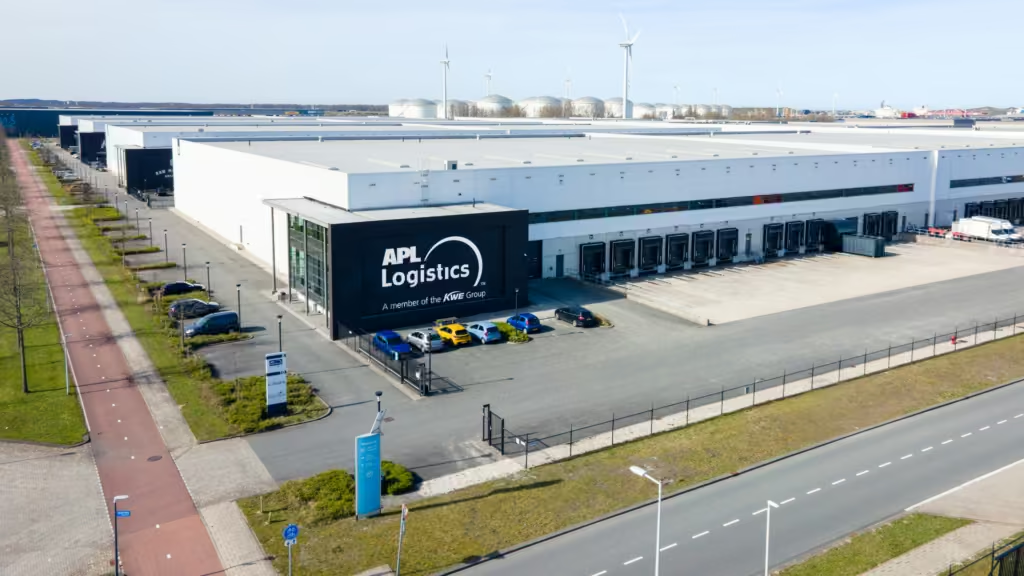
Shipping internationally means coordinating freight, customs, warehousing, and last-mile delivery, often with different providers who don’t communicate with each other. With operations in more than 60 countries and over 200 facilities, APL Logistics brings it all under one roof. This way, you are not chasing updates across four different vendors or finding out about problems after the fact. Contact us today to get started.
Back to Articles
Updates
Subscribe to The Pulse Newsletter
Get in Touch
Whether you have a question, need support, or want to learn more about our logistics solutions, fill out the form below and our team will get back to you as soon as possible.
We'll be in touch soon.






.avif)
.avif)

.avif)

.avif)
.avif)































Your Partner for Connected, Integrated Solutions
APLL works with enterprises that manage complex supply chains, delivering custom solutions and reliable execution.