

Back to Articles
Port Strike Risk Grows as Record Container Imports Test Shippers
Share
Link Copied

Link Copied

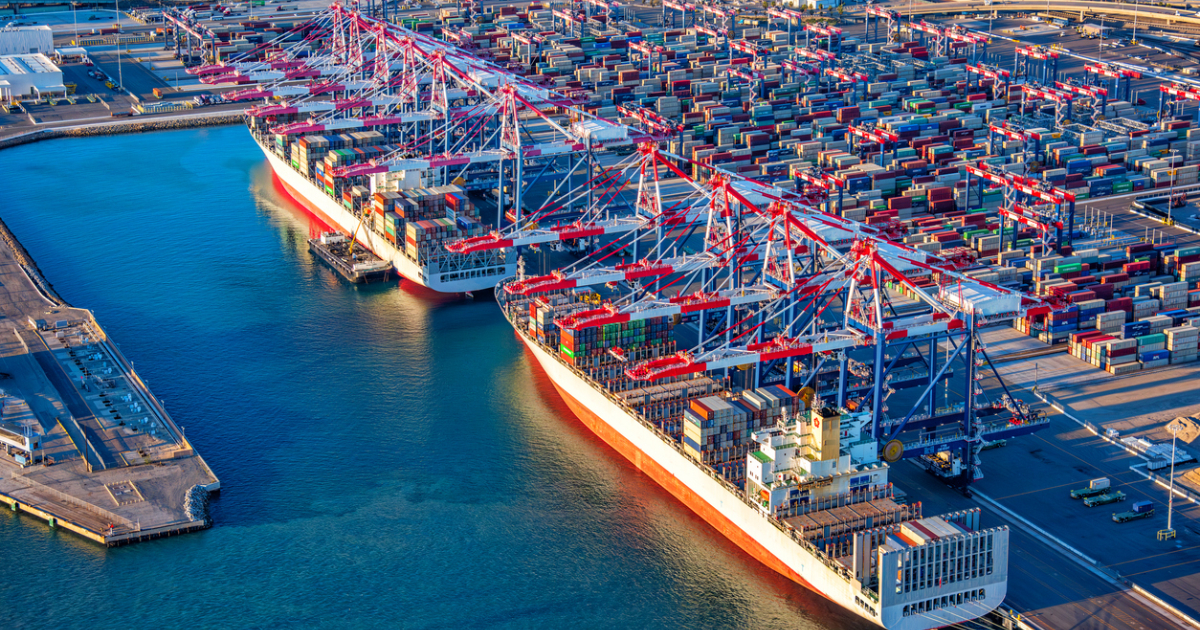
A possible strike at the busiest port complex in the U.S. is arriving at the worst moment, as container imports hit an all-time high and trans-Pacific maritime freight rates remain far above last year. Meanwhile, inland trucking capacity keeps shrinking. Some relief may come next year as more ships return to the Red Sea route, but the next few weeks look bumpy for anyone moving freight through Southern California.
Continue reading for a quick look at what is happening and what it means for your holiday freight.
Ocean Rates Stay High, But Overcapacity Looms
Ocean container rates remain well above last year. Asia-to-Europe prices are 40% to 50% higher than a year ago, and trans-Pacific rates are near $8,460 per FEU to the West Coast. Carriers tried to push through increases in early November, but the hikes did not hold, so they are canceling more sailings to keep space tight.
The bigger story is what comes next. Hapag-Lloyd and Maersk announced that three Asia-Europe services will return to the Suez Canal route starting in December, shortening trips and freeing up ships. At the same time, new vessels on order equal almost 44% of the current fleet. More ships chasing the same cargo eventually does push rates down, although container liners’ intelligent use of blank sails might keep rates steady.
Trucking Recovery Is Driven by Fewer Trucks
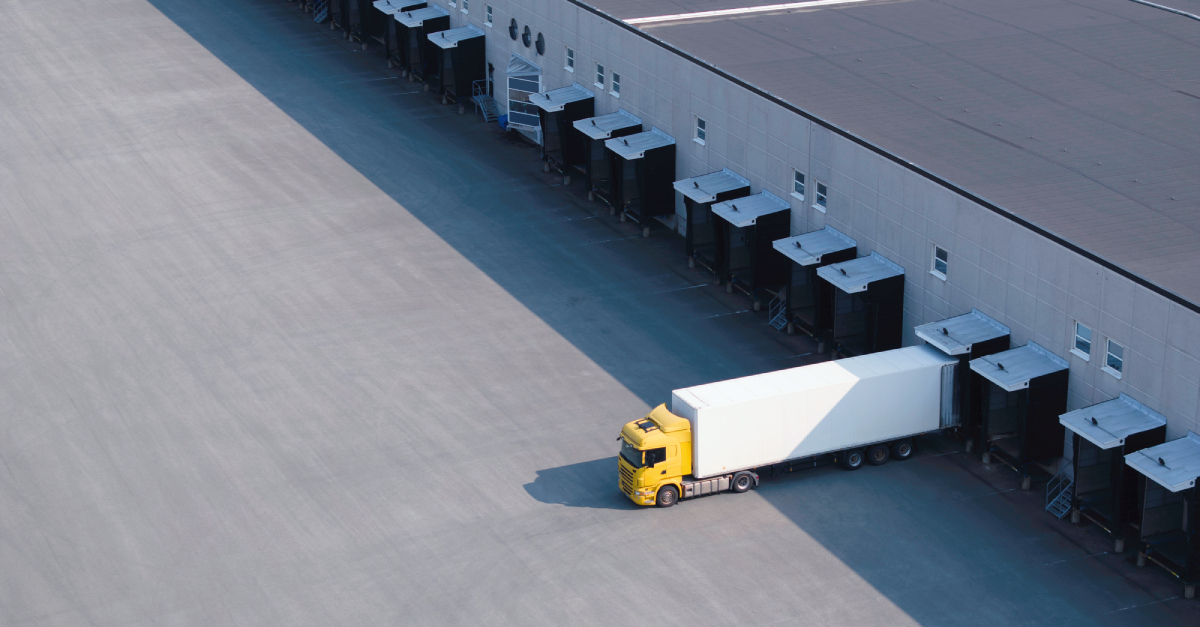
The trucking market has turned a corner, but shrinking capacity is the reason, according to ATA chief economist Bob Costello. The number of carriers with interstate operating authority has fallen nearly 17% since late 2022, which is about 65,000 companies. Stricter enforcement of rules on English proficiency, non-domiciled licenses, and illegal domestic hauling removed even more drivers.
Freight volumes have barely moved this year, yet truckload revenue per mile is up 8.5%. Shippers have spent 27% more to move about 0.6% less freight, based on U.S. Bank data cited in the talk. Costello expects enforcement to continue, and new truck purchases mostly replace old equipment and add little capacity, so he sees more room for rates to run.
U.S. Container Imports Hit an All-Time Record
Containers arriving at U.S. ports reached a record 2.67 million twenty-foot units in October, according to Descartes data. That is 16% above last October and tops the previous record from May 2022. Imports from China climbed for a fourth straight month and made up about half of the monthly gain. Cargo is also shifting toward East and Gulf Coast ports, with Houston, Savannah, Norfolk, and Charleston all posting double-digit jumps while Los Angeles and Long Beach slipped slightly.
The downside is delays. Average transit delays across tracked ports rose to 6.3 days in October from 4.2 days in June, suggesting heavy volumes are straining the trucks, rail, and warehouses that move cargo inland. Spreading freight across more than one gateway is one way to reduce that pressure.
Port Strike Risk Grows at Los Angeles and Long Beach
Talks to avoid a strike by about 250 port security workers have stalled. The Pacific Maritime Association (PMA) says the union has shown little movement and will not extend its contract beyond 12:01 a.m. Saturday, November 21. The two sides return to the table Friday. The group is small, but the terminals they cover handle roughly 85% of Long Beach cargo and 33% of Los Angeles cargo, and thousands of other dockworkers are expected to honor a picket line.
That could shut down much of the cargo handling at both ports. Employers say their offer includes a $3,200 bonus and raises that would lift average earnings for full-time watchmen to $198,000, and the association says the union’s demands have barely changed in more than a year. A strike would also ripple into trucking, rail, and warehouse schedules.
How Shippers Ship Seamlessly With APL Logistics
Record volumes, a possible port shutdown, and tight truck capacity all point to the same advice: plan early and keep backup options ready. Shipping internationally means coordinating freight, customs, warehousing, and last-mile delivery, often with different providers who don’t communicate with each other. With operations in more than 60 countries and over 200 facilities, APL Logistics brings it all under one roof. This way, you don't have to chase updates across four different vendors or find out about problems after the fact. Contact us today to get started.
Disclaimer: This article is issued for general information purposes only. APL Logistics accepts no responsibility for any information contained within this article and disclaims and excludes any liability in respect of the contents or for action taken based on such information.
Back to Articles
Updates
Subscribe to The Pulse Newsletter
Get in Touch
Whether you have a question, need support, or want to learn more about our logistics solutions, fill out the form below and our team will get back to you as soon as possible.
We'll be in touch soon.
Your Partner for Connected, Integrated Solutions
APLL works with enterprises that manage complex supply chains, delivering custom solutions and reliable execution.