Back to Articles
Trucking Capacity Exits Market as Fuel Cost Concerns Rise
Share
Link Copied

Link Copied

The longest freight downturn in memory appears to be in the rearview as shrinking trucking capacity pulls supply and demand back into balance, even as diesel prices push fuel to the top of the industry’s worry list. That shift happens at a time when the ocean market sees new vessel capacity and weak schedule reliability pulling in opposite directions.
Today, we have a market in which the cost and reliability of moving freight depend on forces that sit well outside any single shipper’s control. Continue reading to see how trucking supply, tariff litigation, ocean capacity, booking risk, and fuel costs are shaping freight planning heading toward year-end.
Capacity Exits Rebalance Trucking Market
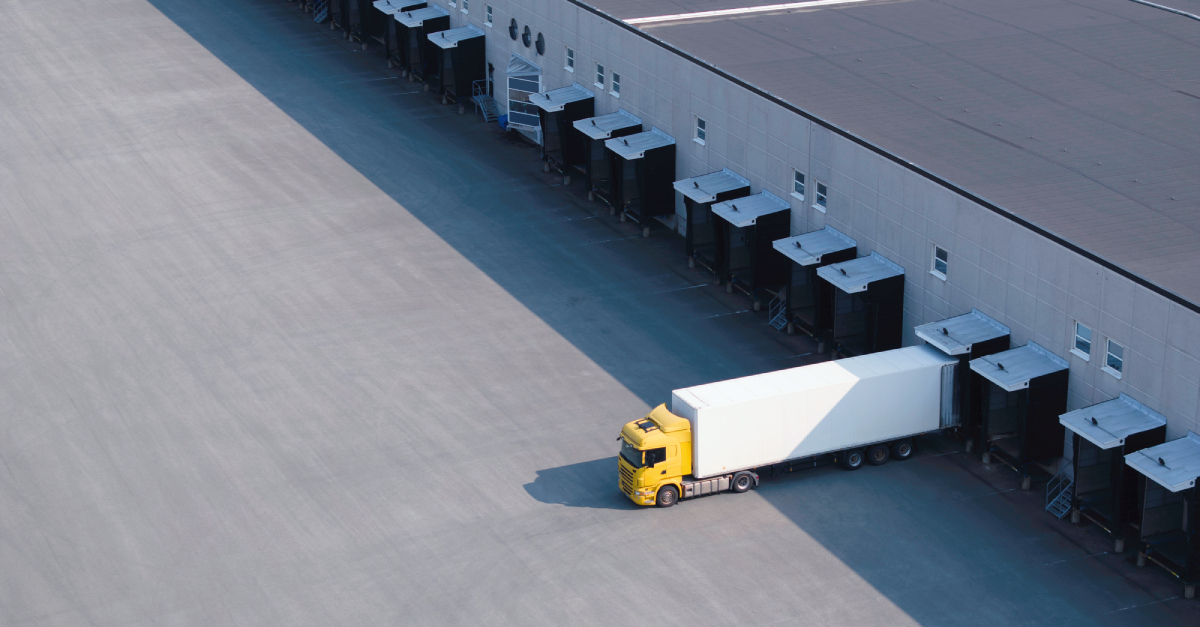
Trucking capacity has left the market in two phases, a slow whittling away after freight volumes fell in December 2022 and a sharper wave in 2025 tied to stricter enforcement on English proficiency, B1 drivers, and non-domiciled CDLs.
The Southwest shows the effect clearly, with shipments down about 13% this year while shipper spending rose nearly 40%, because fewer trucks chase the same loads. Relief for volumes might not come quickly, as tariffs, high debt, war-affected energy markets, and rising interest rates have resulted in a 22% drop in factory construction spending and an 84% decline in net manufacturing job growth.
Court Challenge Targets 50% Tariffs on Canadian Goods
A new lawsuit asks the U.S. Court of International Trade to strike down 50% tariffs on roughly $20 billion of Canadian goods. The administration relies on Section 338 of the Trade Act of 1930, which allows tariffs of up to 50% in response to discrimination against U.S. commerce. The plaintiff, food importer Gellert Global Group, wants the levies struck down, collection blocked, and refunds ordered.
The dispute began after trade talks broke down just before the tariffs took effect on August 22, and Canada responded with retaliatory tariffs in September. Trade attorney James Kim called this a harder case than the earlier challenge to emergency-powers tariffs because Section 338 explicitly authorizes tariffs, making the debate about the statute’s limits rather than its existence.
New Ocean Capacity Lifts Rates in a Chaotic Market
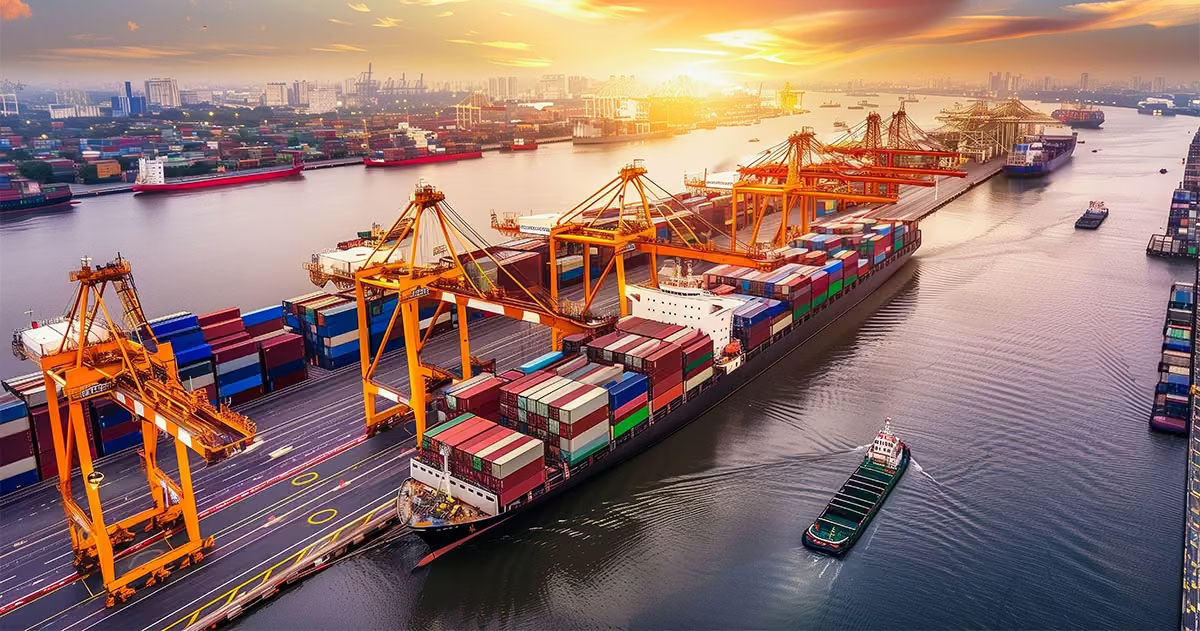
Container lines are pushing rates higher even as a gradual return to the Red Sea releases capacity into a softening market. Liner analyst Lars Jensen estimates Suez routing has recovered to roughly 30% to 35% of normal, and the Gemini Cooperation expects nearly all of its services back on Suez routings in the first quarter of 2027. The phased pace is deliberate as it spreads arrivals out and limits the vessel bunching that a sudden industrywide switch would cause at European and Mediterranean ports.
The trade-off arrives later, because shorter voyages raise effective fleet capacity and could create oversupply in 2027 if demand does not keep pace. For now, carriers are using general rate increases ahead of 2027 contract talks, lifting Asia-North Europe rates 6% to $3,442 per FEU while East Coast trans-Pacific rates reached $9,700. That said, some forwarders doubt the gains will hold.
Trans-Pacific Booking Risk Rises as Reliability Sinks
Shippers moving cargo from Asia to North America face tighter capacity and harder bookings in the coming weeks, according to WiseTech Global’s October Ocean Freight Risk Outlook. On-time performance on Asia-North America fell to 26.9% in September from 33.9% in August, and delays of eight days or more remained the largest arrival category.
WiseTech expects trans-Pacific capacity to tighten toward the end of the outlook period as carriers cut planned capacity, and its booking risk indicator is forecast to stay well above its historical average. Asia-Europe is worse on reliability, with on-time performance dropping to 9.9% in September from 22.9%, though space is plentiful there. WiseTech advised booking early against contracted allocations and building extra time into delivery commitments.
Fuel Prices Top Trucking’s List of Industry Concerns
Fuel prices ranked as the No. 1 concern in the American Transportation Research Institute’s annual survey. The issue was absent from the top 10 in each of the past two years, and this year it ranked first for drivers and second for carriers. The carrier ranking is the telling detail, because it suggests fuel surcharges do not fully shield carriers from higher fuel costs, even though the surcharges are meant to pass those costs to shippers.
Compliance scores ranked third overall, their highest position since 2015, as brokers seek documented proof of careful carrier selection after the Supreme Court’s Montgomery ruling on negligent hiring. Drivers and carriers diverge in other factors like parking, which ranked second for drivers but missed the carriers’ top 10, while driver shortage ranked third for carriers.
Ship Seamlessly With APL Logistics
The freight market today witnesses supply, policy, and fuel costs move on their own schedules, rewarding shippers who plan capacity early and keep their options open. APL Logistics’ transportation network helps you secure truckload and multimodal capacity as trucking supply stays tight and ocean bookings get harder, our customs brokerage & global trade team helps you plan around tariff litigation and shifting duty exposure, and distribution & fulfillment gives you the warehouse flexibility to build buffer inventory when transit times stretch. This way, you won't chase updates across four different vendors or learn about problems after the fact. Contact us today to get started.
Back to Articles
Updates
Subscribe to The Pulse Newsletter
Get in Touch
Whether you have a question, need support, or want to learn more about our logistics solutions, fill out the form below and our team will get back to you as soon as possible.
We'll be in touch soon.

Your Partner for Connected, Integrated Solutions
APLL works with enterprises that manage complex supply chains, delivering custom solutions and reliable execution.