Back to Articles
Port Congestion Extends Peak Season as Freight Volumes Surge
Share
Link Copied

Link Copied

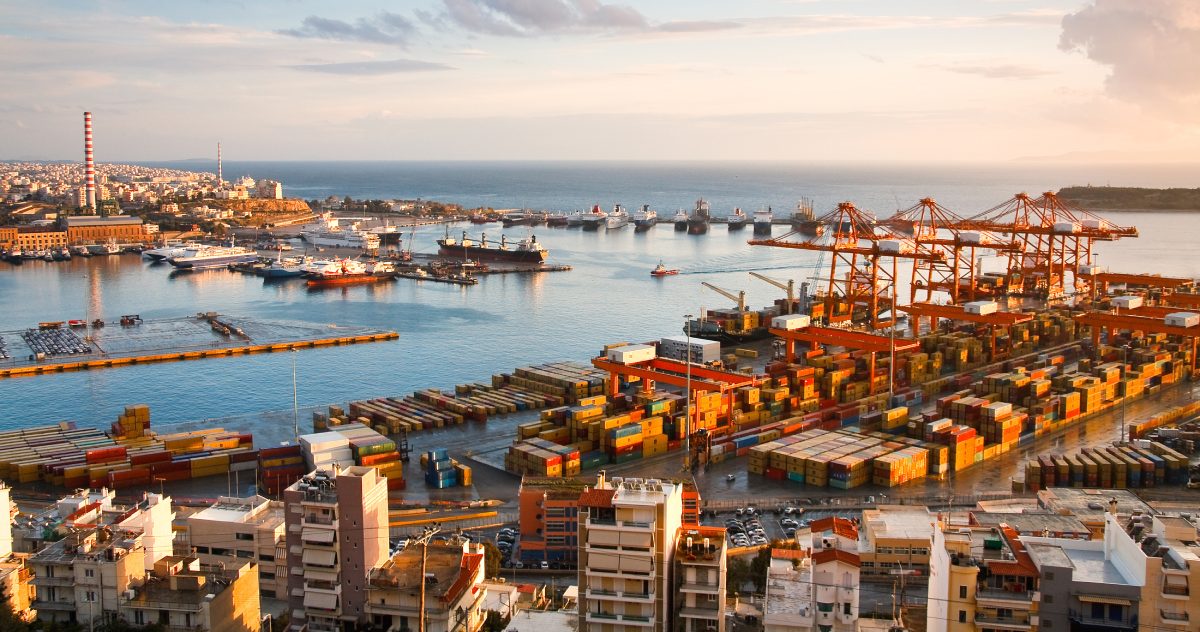
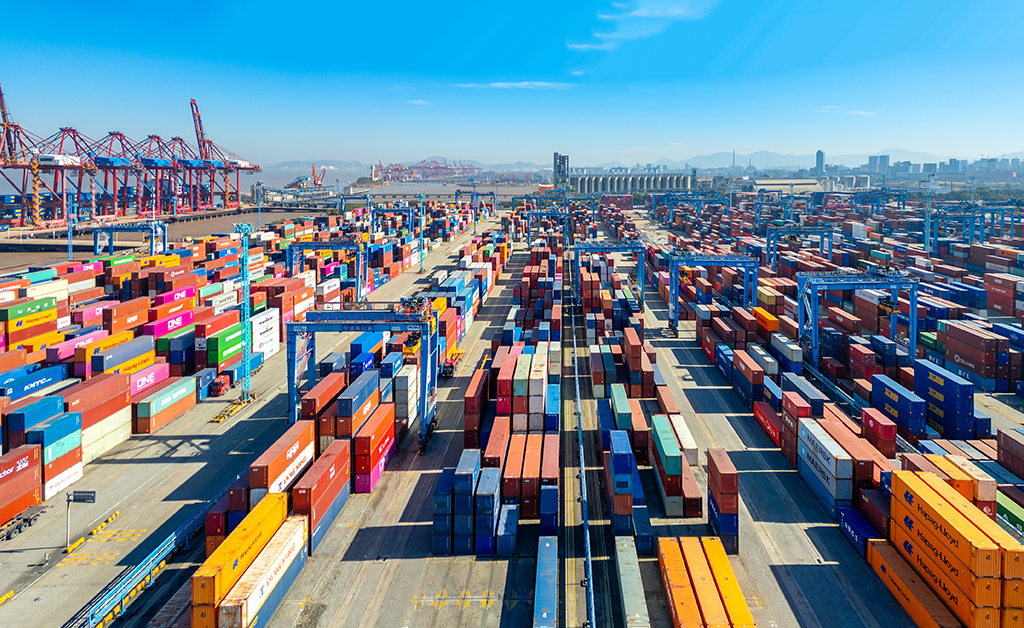
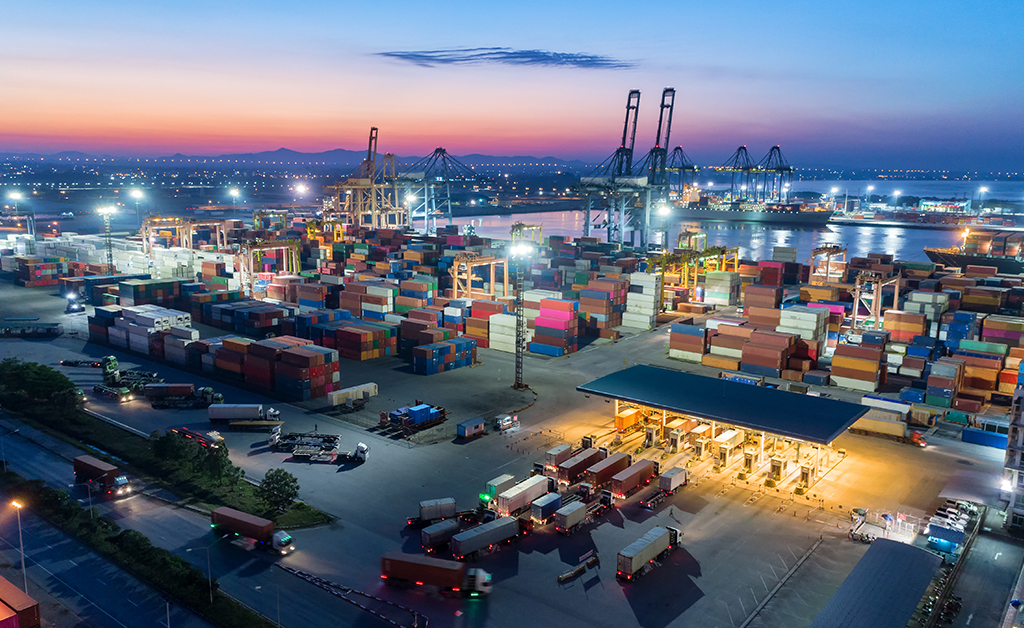
Truckload shipments posted their first year-over-year increase in three and a half years last month, even as a relentless run of typhoons across Asia keeps ocean peak season alive longer than forecasters expected. Berthing delays at Shanghai and Ningbo have stretched to 10 days, U.S. gateways like Long Beach are posting near-record volumes, and Maersk says the ripple effects are reaching Europe too.
Continue reading to see how congestion in Asia is reshaping freight demand everywhere else.
TL Rates Jump 11% in August as Freight Shipments Turn Positive
U.S. truckload linehaul rates jumped 11.3% year over year in August, the largest increase since June 2022, according to Cass Information Systems data. Freight shipments rose 2.1% year over year, the first positive reading after 42 consecutive months of decline, and climbed 5.6% sequentially. Total freight expenditures surged 18.7% year over year as higher diesel prices compounded the rate gains.
Cass cautioned that consumer spending risk still clouds the outlook, but said the data suggests freight growth has bottomed out, the same reset we tracked when capacity first tightened while demand held flat earlier this year.
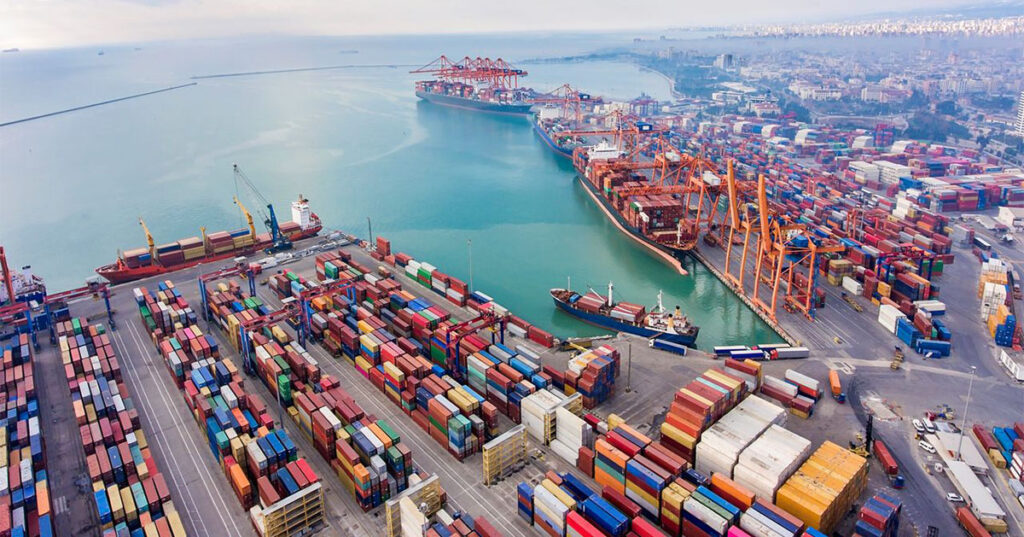
Berthing Delays at Shanghai and Ningbo Now Hitting 10 Days
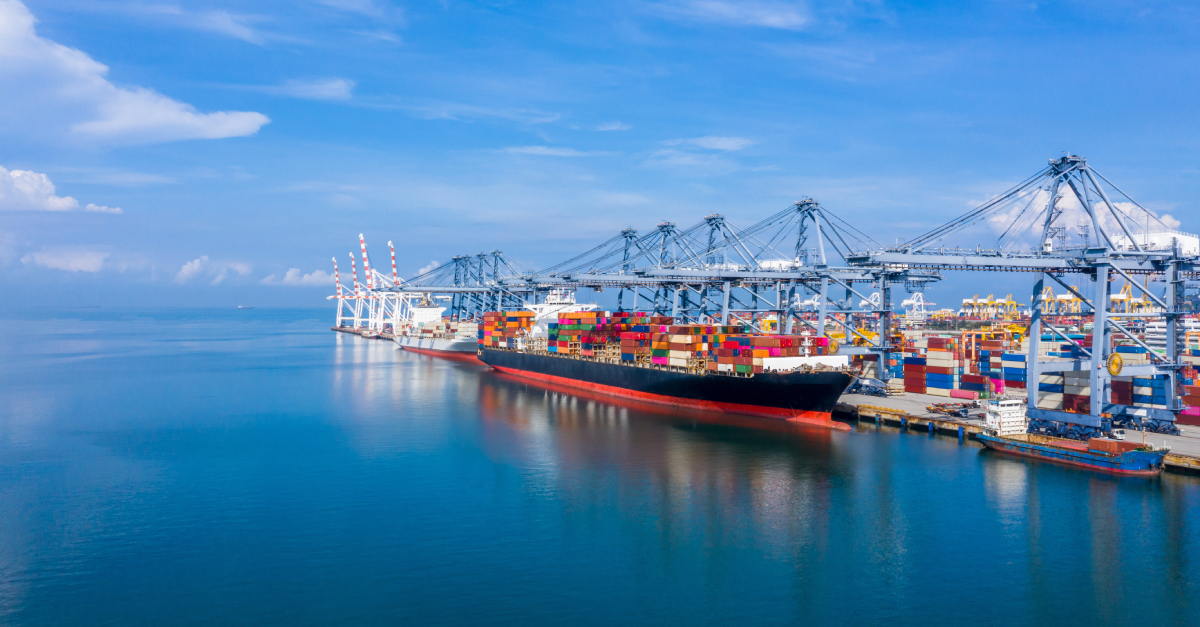
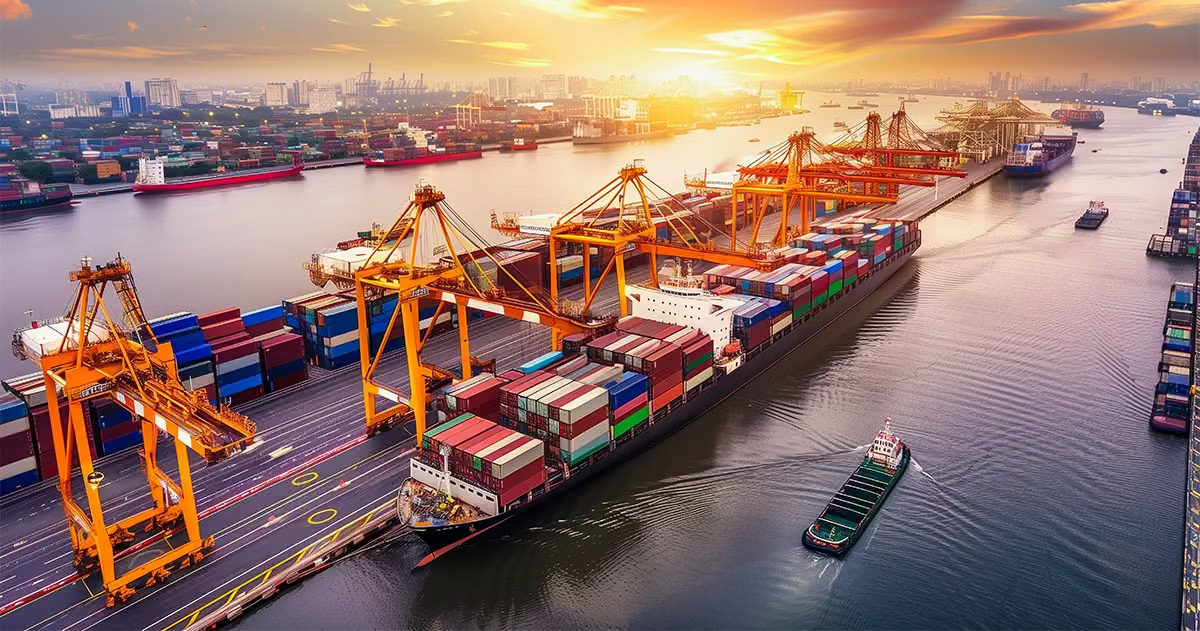
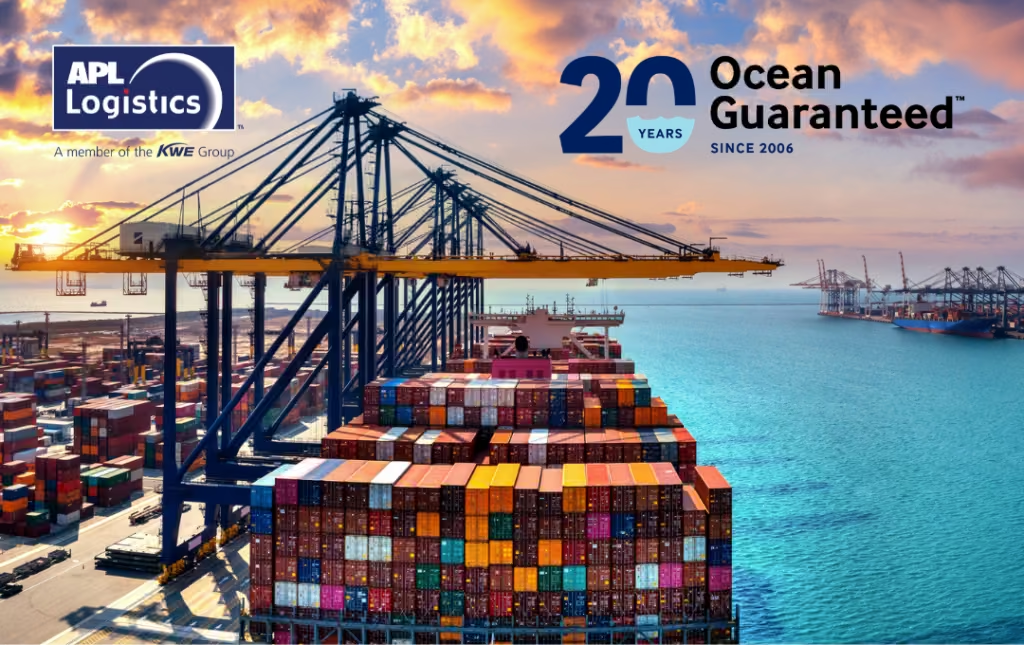
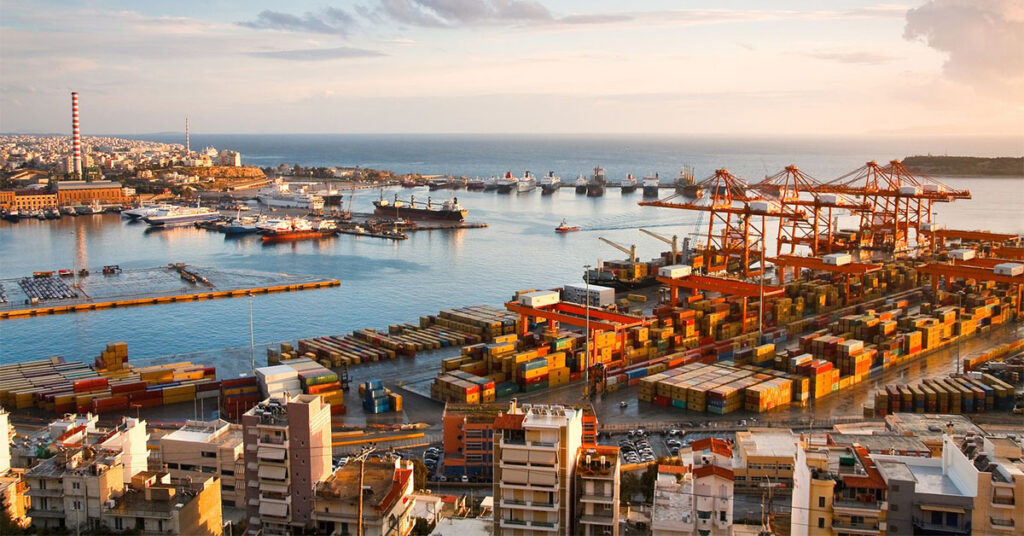
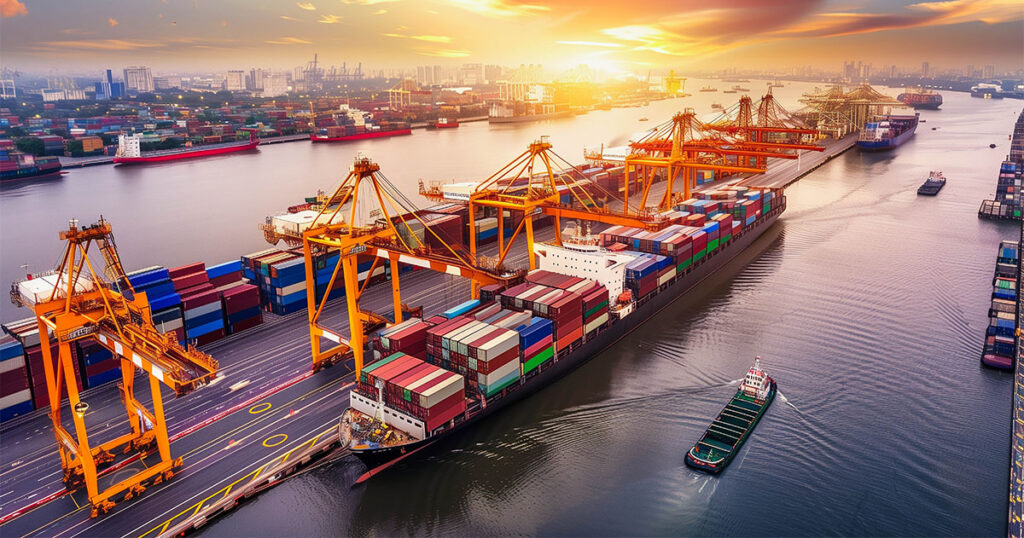
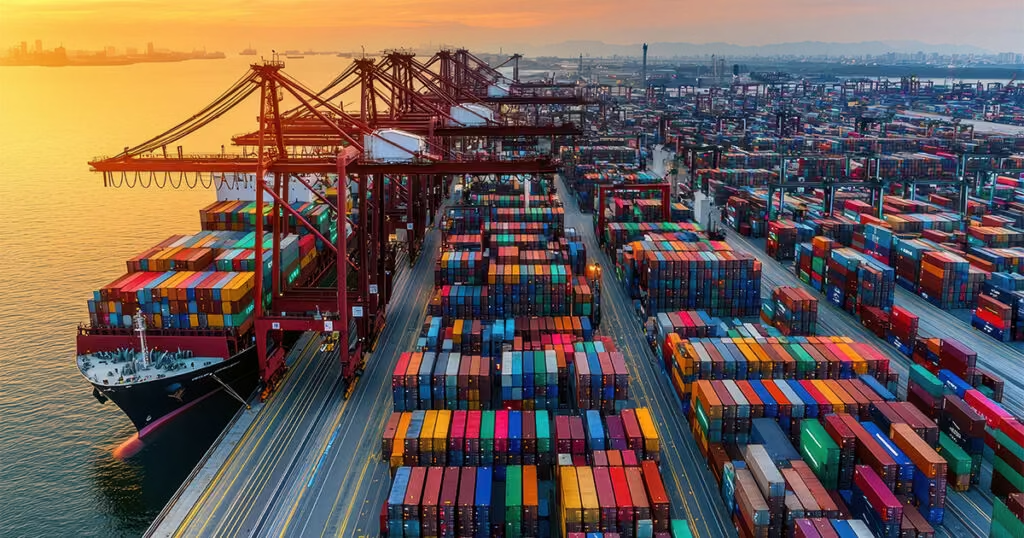
Ships are now waiting 10 days to berth at Shanghai and Ningbo, the world’s two busiest ports, following Typhoon Saudel and earlier storms including Bavi, Noul, Dolphin, and Narra. Linerlytica estimates the backlog is holding up 3.92 million TEUs, or 11% of the global container fleet, with North Asia now accounting for 54% of all global port congestion.
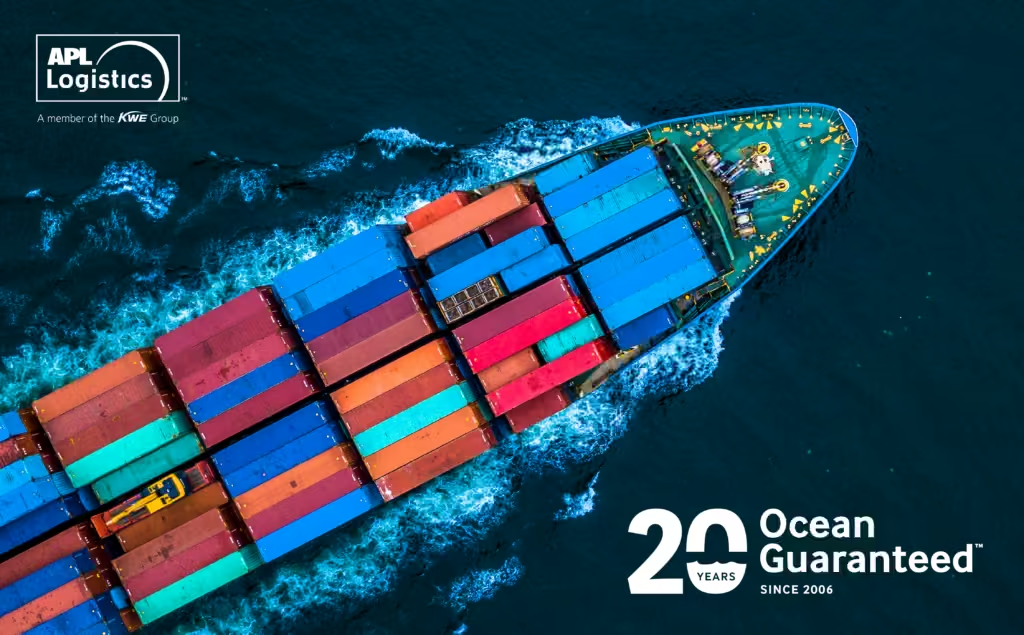
APL Logistics flagged the compounding disruption in an advisory ahead of Saudel’s landfall, warning that vessel bunching and accumulated backlogs would create continued congestion even after ports reopened. Newbuilding deliveries have fallen to a three-year low, keeping vessel availability tight.
Ocean Peak Season Endures, Defying Forecast of Early End
Ocean peak season is still running hot, and September could be the busiest import month of the year, according to the National Retail Federation and Hackett Associates’ latest Global Port Tracker. NRF had expected the peak to fade by now, but the recent typhoons and rerouting away from a drought-affected Panama Canal kept volumes elevated instead.
September imports are forecast at 2.31 million TEUs, up 9.6% year over year, before cooling into the fall. The Port of Los Angeles just wrapped its busiest three-month stretch on record, similar to the front-loading pattern observed when Asia-Europe shippers rushed cargo ahead of cost resets earlier this year.
Port of Long Beach Records Busiest August
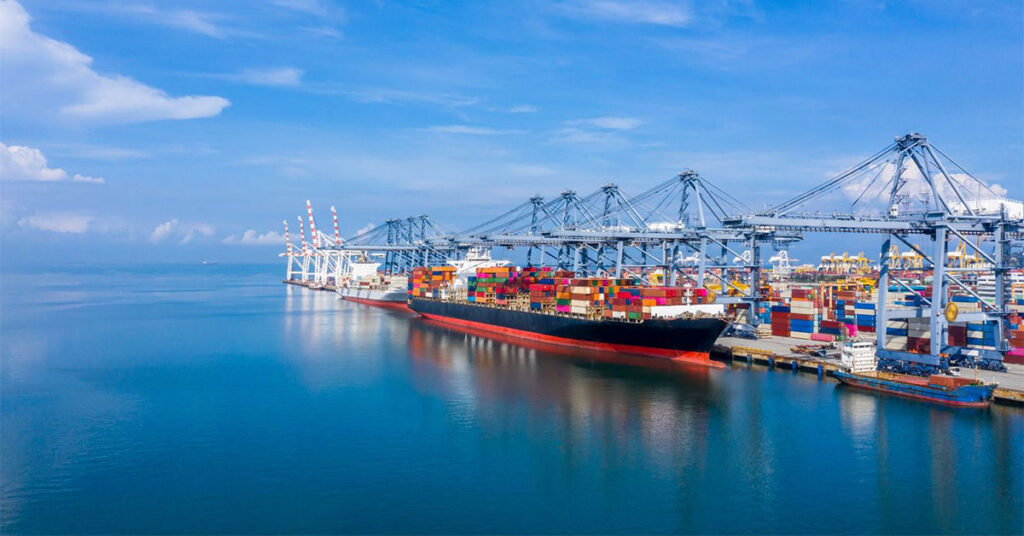
The Port of Long Beach handled 919,992 TEUs in August, its busiest August on record and the fifth-busiest month in the port’s 115-year history. Imports rose 3.6% year over year, and exports climbed 4%, even as empty container moves slipped slightly. Port CEO Noel Hacegaba said the numbers show shippers continuing to adapt to tariffs and geopolitical uncertainty while trusting the gateway to deliver. Long Beach moved 6.68 million TEUs through the first eight months of 2026, up 1.3%.
Congestion in Asia Spills Over Into Europe’s Freight Network
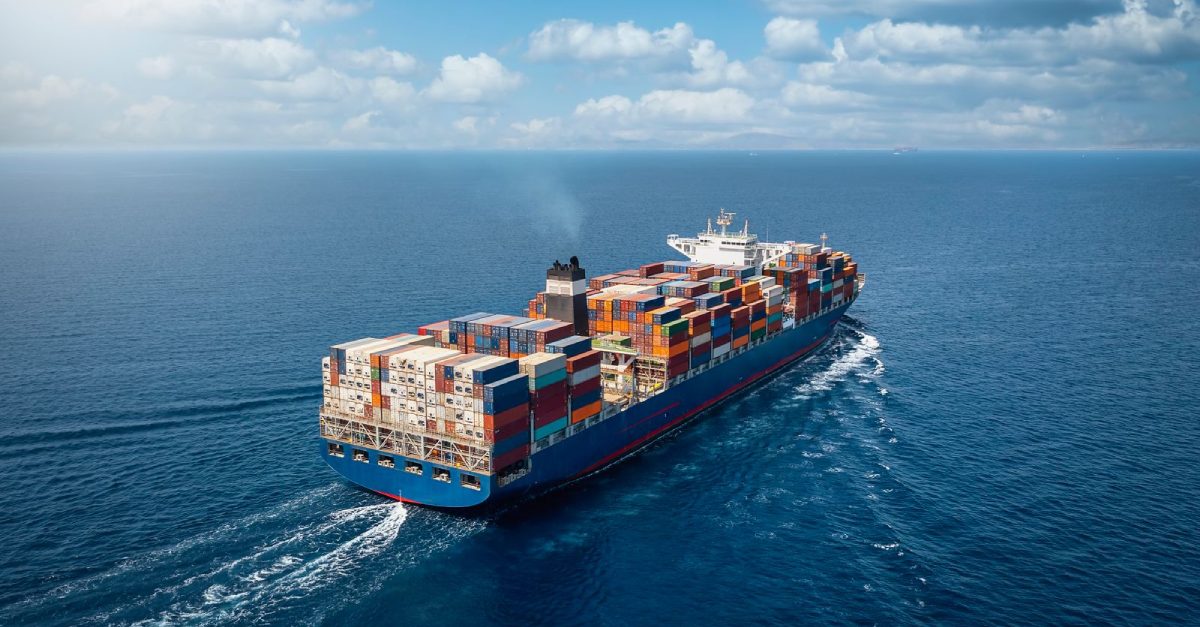
Maersk’s latest Europe update confirms the same congestion story is reaching across the Atlantic. Above-normal typhoon activity in East Asia is driving schedule adjustments and capacity constraints across Europe’s network, and China’s Golden Week holiday in early October will add another layer of disruption.
Maersk and Hapag-Lloyd are cautiously resuming limited Suez transits on select services, though a broader return to the trade lane remains unlikely for now. Air freight demand grew 12% year over year in June, driven by strong technology and AI-related cargo, and Maersk advised customers to book early as congestion keeps pressuring North Europe and Mediterranean gateways.
Ship Seamlessly With APL Logistics
Persistent Asian port congestion is stretching peak season, tightening capacity, and pushing volumes to new records across the network. APL Logistics’ transportation network is built to adjust routing as congestion shifts port to port, our customs brokerage & global trade team helps you plan around an extended peak season, and distribution & fulfillment gives you warehouse capacity to absorb volume surges like the ones hitting Long Beach and Los Angeles.
Shipping internationally means coordinating freight, customs, warehousing, and last-mile delivery, often with different providers who don’t communicate with each other. With operations in more than 60 countries and over 200 facilities, APL Logistics brings it all under one roof. This way, you won’t chase updates across four different vendors or learn about problems after the fact. Contact us today to get started.
Back to Articles
Updates
Subscribe to The Pulse Newsletter
Get in Touch
Whether you have a question, need support, or want to learn more about our logistics solutions, fill out the form below and our team will get back to you as soon as possible.
We'll be in touch soon.





.avif)
.avif)

.avif)

.avif)
.avif)



























Your Partner for Connected, Integrated Solutions
APLL works with enterprises that manage complex supply chains, delivering custom solutions and reliable execution.