
Back to Articles
Customer Advisory: Middle East Situation – Supply Chain Disruptions Persist, Cost Pressures Escalate
Share
Link Copied

Link Copied

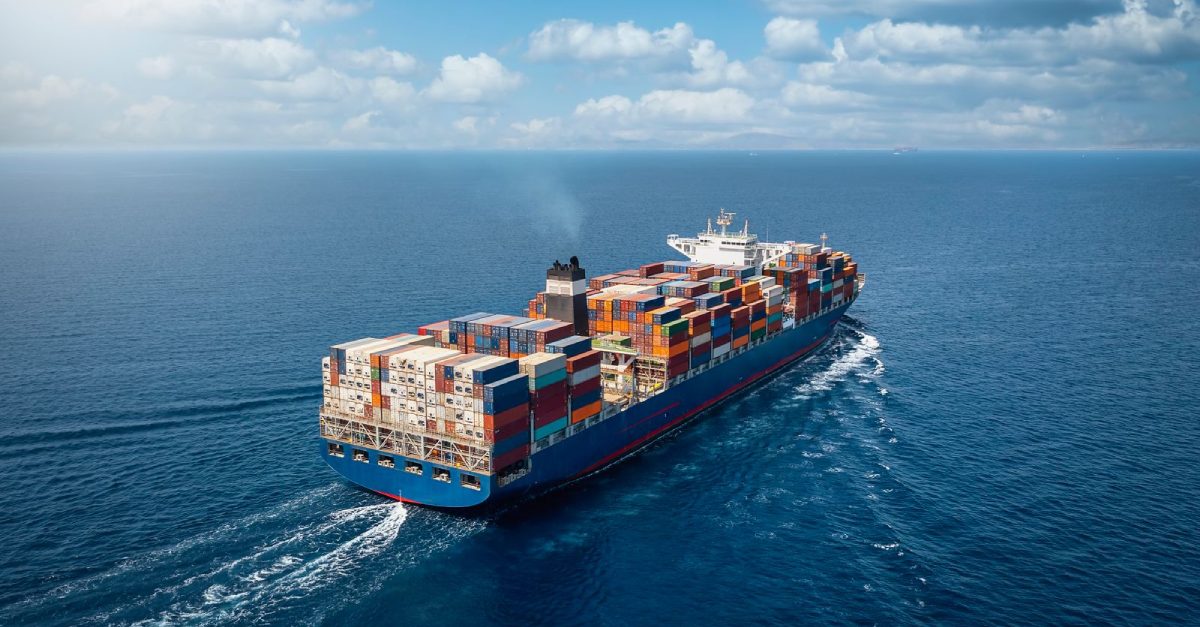
The Middle East situation deteriorated further in the last 48 hours following multiple new attacks on commercial vessels on March 11, reinforcing a materially higher risk environment for Gulf-adjacent shipping lanes. Major carriers continue to maintain indefinite withdrawal or severe restrictions impacting Gulf access, while secondary effects are now increasingly visible in Asia–Europe networks through schedule instability, equipment imbalance, and tightening capacity at key transshipment hubs.
Customers with cargo to/from the Arabian Gulf, Red Sea-connected routings, and transshipment-dependent Asia–Europe flows should plan for extended disruption, elevated rollover risk, and continued cost escalation.
CURRENT SITUATION
- Strait of Hormuz disruption persists. Vessel traffic through the strait remains severely constrained, with carriers maintaining diversions or limiting routine crossings due to security risks and the withdrawal or repricing of war‑risk insurance. Major energy and shipping analysts continue to confirm the strait’s status as a critical choke point, normally handling roughly 20% of global oil flows, amplifying global cost pressure.
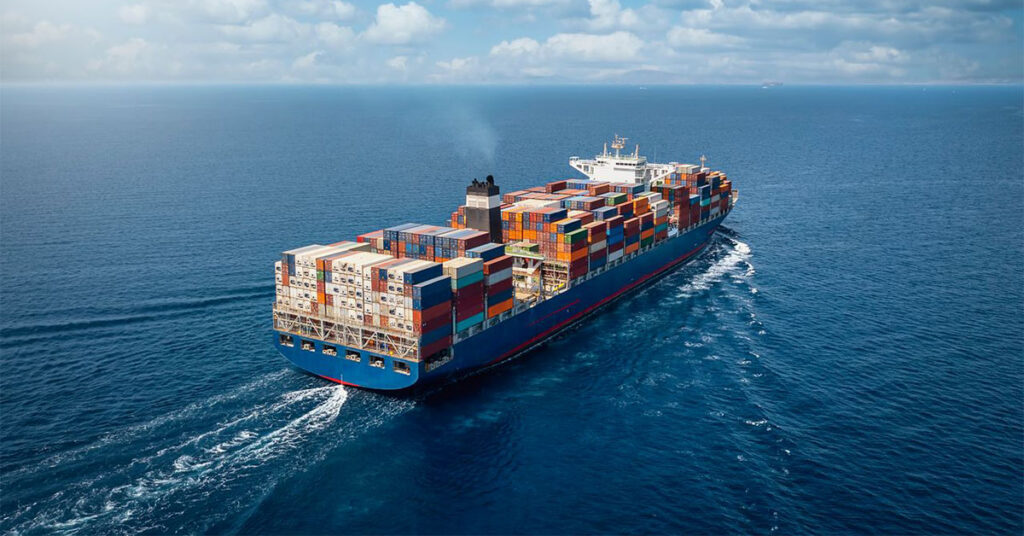
- Ocean rerouting sustained. Carriers continue widescale rerouting away from Suez and the Red Sea via the Cape of Good Hope, adding 10–20 days to certain Asia–Europe and Asia–Americas services. These diversions are reinforcing congestion and equipment imbalance risk globally.
- Air cargo capacity remains constrained. While select repositioning and limited freighter flights are operating under regulatory approvals, airspace restrictions across Iran, Qatar, Israel, Bahrain, and surrounding areas continue to suppress uplift. Industry estimates indicate that double‑digit percentages of global air cargo capacity remain displaced during peak disruption periods.
- Energy‑driven cost escalation. Global crude prices surged sharply in recent days, exceeding USD 100 per barrel, with volatility driven by prolonged regional instability. This is increasing the likelihood of additional fuel‑ and bunker‑related surcharges across both air and ocean transport.
IMMEDIATE OPERATIONAL IMPACTS
Ocean Freight
- Schedule reliability remains low due to Hormuz restrictions and extended rerouting.
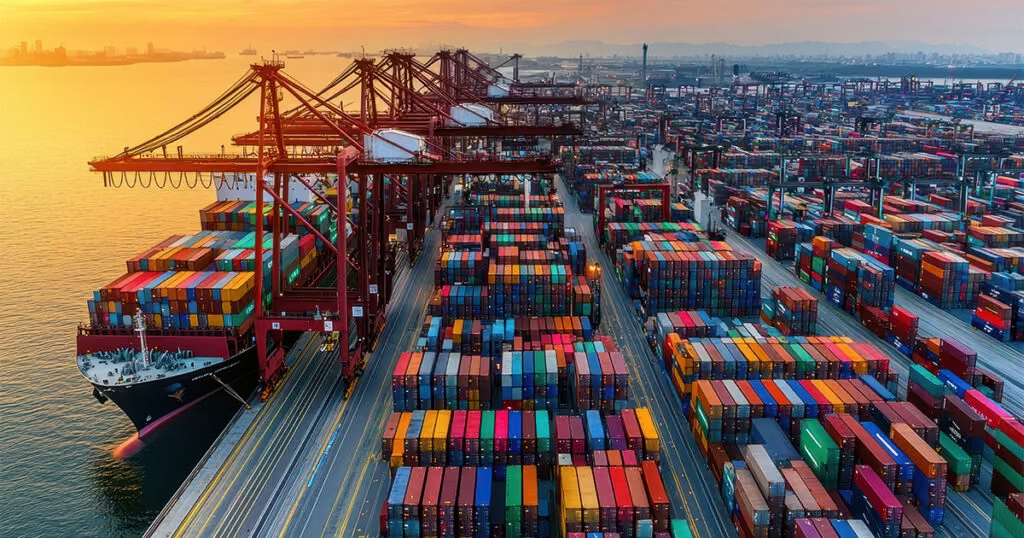
- Longer voyage times are tightening effective vessel capacity and delaying equipment repositioning across non‑Middle East trade lanes.
Air Cargo
- Limited Middle East hub connectivity continues to force longer routings, increasing congestion and rate volatility on Asia–Europe and Asia–Africa corridors.
- Space constraints remain likely for time‑critical shipments.
NEAR-TERM CUSTOMER OUTLOOK (NEXT 7–14 DAYS)
Customers should expect:
- No immediate normalization of Middle East air or ocean networks
- Extended lead times and irregular schedules
- Heightened rate volatility, including war‑risk and fuel surcharges
- Reduced flexibility to shift urgent shipments from ocean to air due to limited uplift
CUSTOMER CONSIDERATIONS
Customers may wish to:
- Reconfirm serviceability prior to tendering new shipments
- Build additional buffer into inventory and delivery planning
- Anticipate additional cost adjustments tied to fuel and insurance exposure
- Engage logistics partners early on alternative routings or prioritization of critical cargo
OUR SUPPORT
APL Logistics continues to monitor carrier advisories, port/terminal operating status, and maritime security updates. Where shipments are impacted, customers will be contacted with options for rerouting, prioritization, and recovery planning.
Sources
- Kintetsu World Express: Customer Advisory 2026_20 – Update: Middle East Service Disruption, updated March 10, 2026 [kwe.com]
- DSV: Middle East Supply Chain Situation Advisory, updated March 11, 2026 [dsv.com]
- DHL Global Forwarding: Middle East Crisis – Situation Updates, updated March 9, 2026 [dhl.com]
- Reuters: Global shipping and energy disruptions linked to Strait of Hormuz chokepoint, March 2026 [kwe.com]
- Reuters / CNBC: Oil price volatility and fuel‑cost implications tied to Middle East escalation, March 2026
- Journal of Commerce (S&P Global): Carrier rerouting, capacity displacement, and equipment impacts stemming from Middle East conflict, March 2026
Disclaimer: This advisory does not constitute legal advice and is issued for general information purposes only. APL Logistics accepts no responsibility for any information contained within this advisory and refutes and excludes any liability in respect of the contents or for action taken based on such information.
Click here to download the advisory
About APL Logistics
APL Logistics is a leading global supply chain logistics provider focused on order management. With over four decades of experience, we offer innovative, end-to-end supply chain solutions across various industries. With a strategic balance of our world-class account management teams, proprietary digital solutions, and an extensive network, APL Logistics’ Order Management will enable your business to stand out, adapt faster, and execute more efficiently than your competitors.
The APL Logistics group of companies has a global network covering all major markets and is backed by a multinational workforce. APL Logistics Ltd is a member of the Kintetsu World Express group, a global logistics services provider. For more information, visit www.apllogistics.com, email us at global_marketing@apllogistics.com, and connect with us on LinkedIn, Instagram, and YouTube.
Back to Articles
Updates
Subscribe to The Pulse Newsletter
Get in Touch
Whether you have a question, need support, or want to learn more about our logistics solutions, fill out the form below and our team will get back to you as soon as possible.
We'll be in touch soon.










.avif)
.avif)


.avif)


.avif)

.avif)



































Your Partner for Connected, Integrated Solutions
APLL works with enterprises that manage complex supply chains, delivering custom solutions and reliable execution.