
Back to Articles
Customer Advisory: Middle East Escalation
Share
Link Copied

Link Copied

March 1, 2026
A rapid escalation of military activity in the Middle East has resulted in severe disruption to global transportation and energy flows. Restrictions on maritime transit through the Strait of Hormuz, widespread airspace closures, and suspension of commercial operations across key Gulf hubs are materially impacting ocean freight, air cargo, and inland logistics.
Customers with cargo originating in, transiting through, or dependent on Middle East gateways should anticipate significant delays, elevated costs, and constrained capacity.
CURRENT SITUATION
On February 28, 2026, the United States and Israel conducted coordinated strikes against Iranian leadership, nuclear, and military targets. Iran has responded with missile and drone attacks targeting U.S. facilities in Bahrain, Qatar, the UAE, Jordan, and Israel, as well as additional regional locations.
Iranian Revolutionary Guard Corps (IRGC) maritime broadcasts have stated that commercial vessels are not permitted to transit the Strait of Hormuz. Concurrently, the U.S. Navy has declared a broad maritime warning zone covering the Persian Gulf, Gulf of Oman, North Arabian Sea, and the Strait of Hormuz, with no assurance of safe passage for merchant shipping.
Multiple Gulf and regional airspaces are closed, and Dubai International Airport has suspended all operations indefinitely, eliminating regional air cargo capacity.
IMPLICATIONS FOR SUPPLY CHAIN AND LOGISTICS
Ocean Freight:
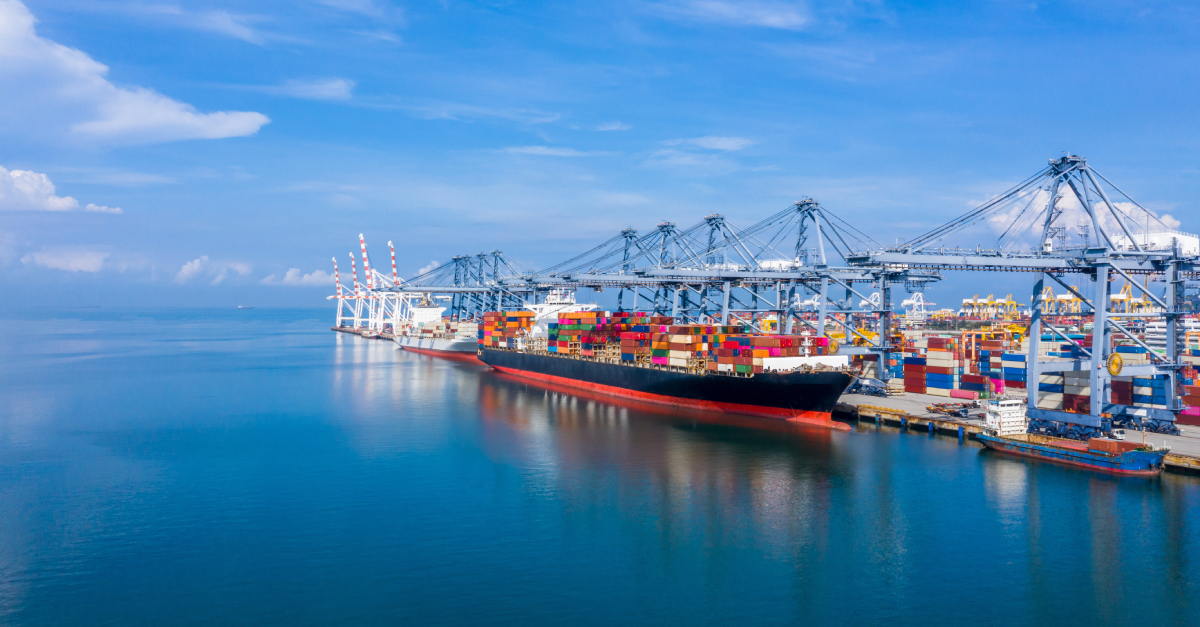
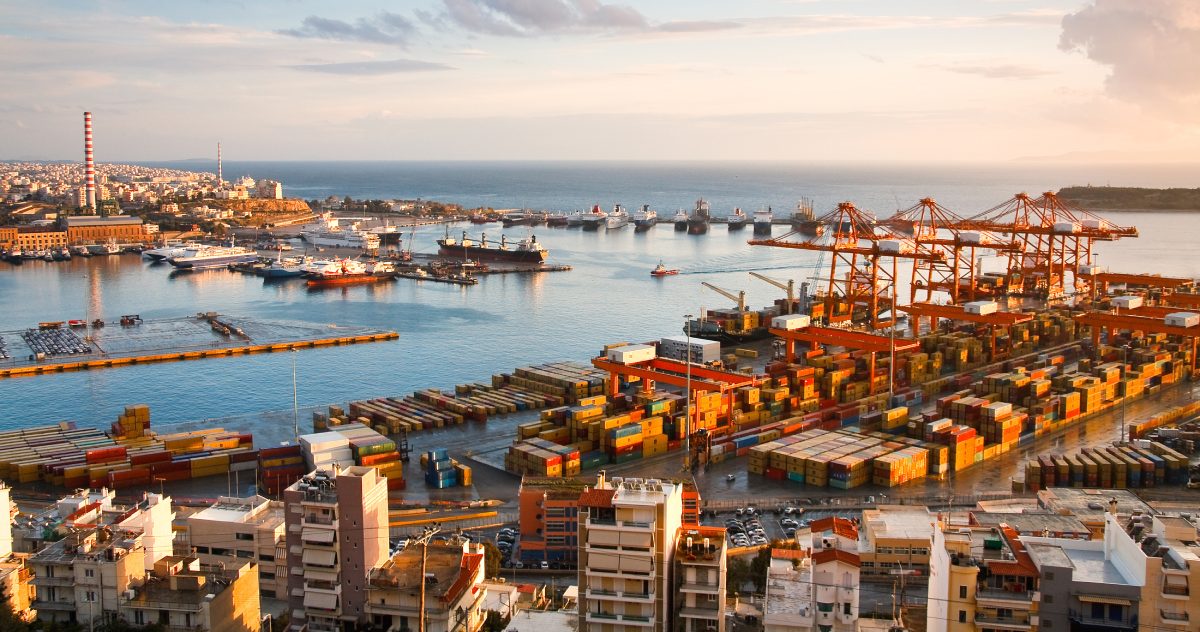
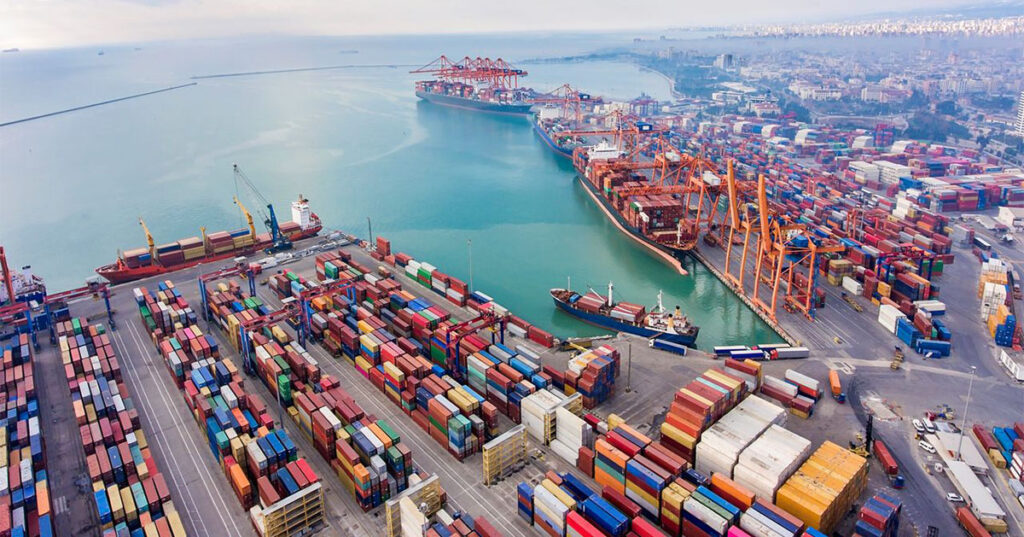
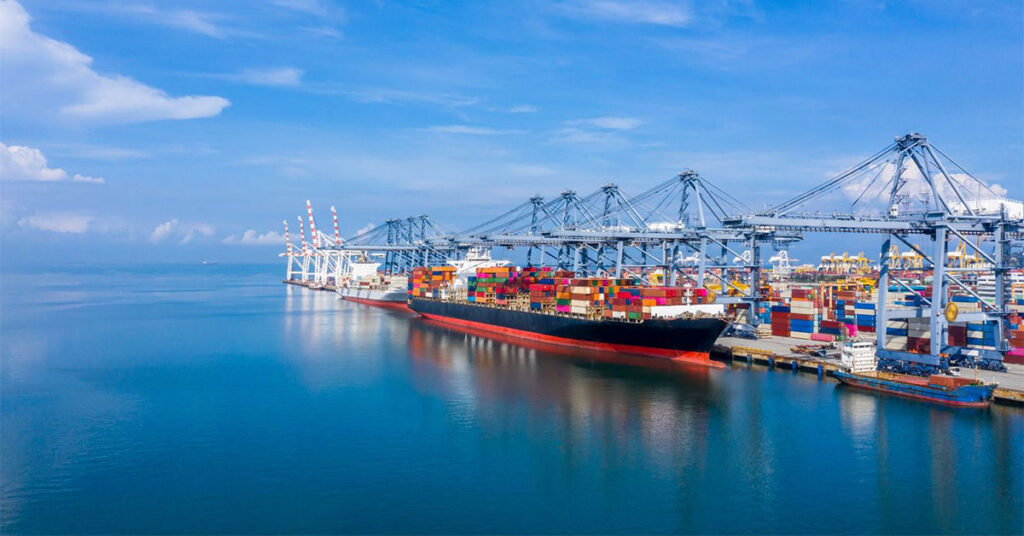
- All services calling or transiting Persian Gulf ports (including Jebel Ali, Khor Fakkan, Fujairah, and Asaluyeh) are suspended or experiencing multi‑day delays.
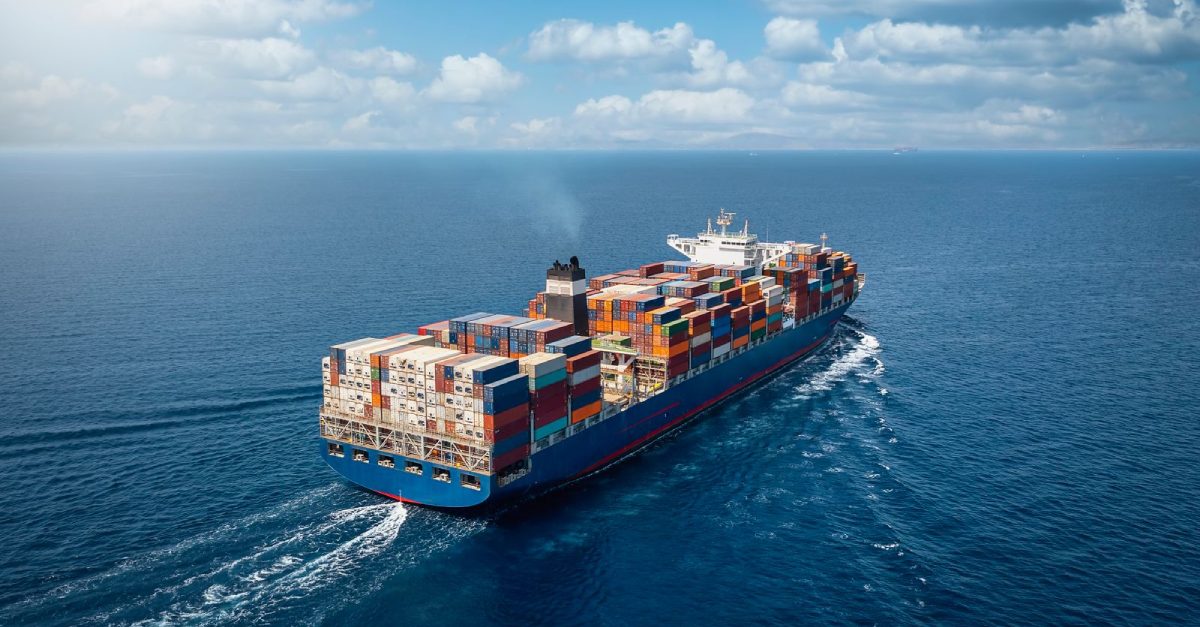
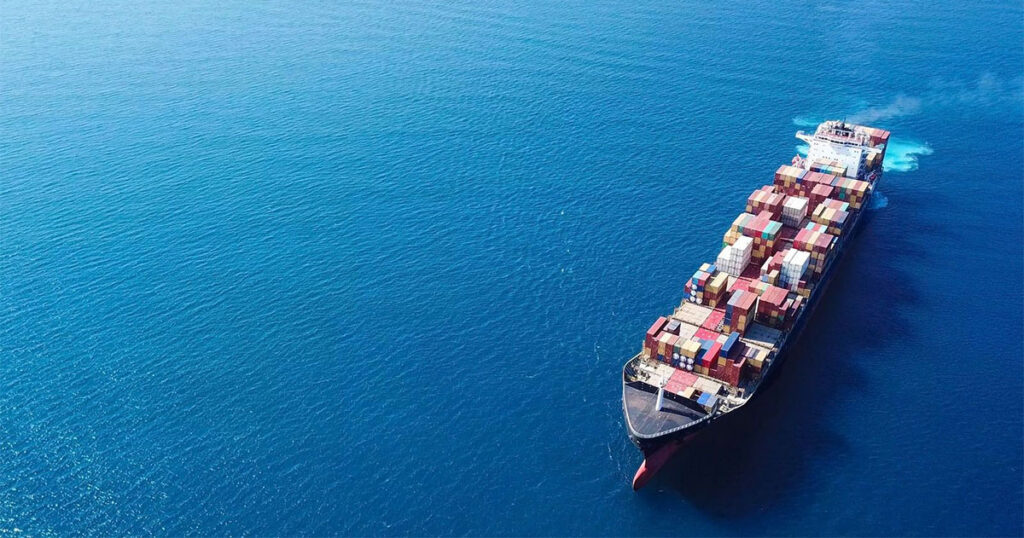
- Major ocean carriers and energy producers have halted crude, fuel, and LNG shipments via Hormuz, with vessels holding or diverting outside the Gulf.
- No viable short‑term rerouting options exist for Gulf‑origin or intra‑Gulf cargo, and congestion is building at alternative anchorage points.
Ocean freight costs are expected to rise globally as war‑risk insurance premiums and bunker fuel prices increase, impacting Asia–Europe, Asia–U.S., and transshipment‑dependent networks.
Air Cargo:
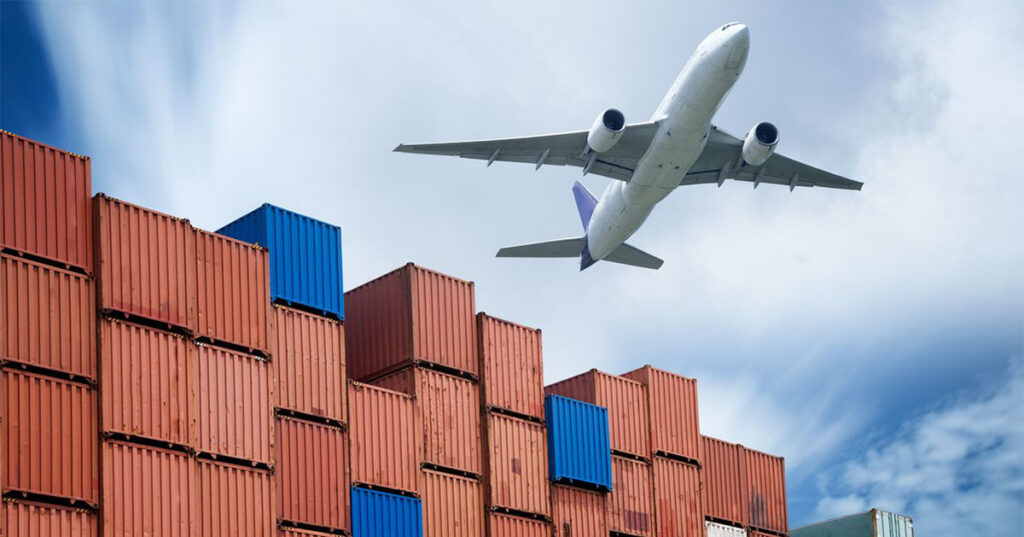
- Airspace closures across Iran, Iraq, Israel, UAE, Qatar, Bahrain, Kuwait, and Jordan have resulted in cancellation of over 1,600 flights, removing all regional air‑cargo options.
- Time‑critical and high‑value shipments are now fully reliant on ocean or land transport, where capacity and security risks are elevated.
Land Transportation:
- Inland trucking and rail corridors within the UAE, Saudi Arabia, and Iraq face heightened security checks and potential closures.
- Cross‑border and bonded movements may experience regulatory delays and intermittent suspension depending on local security conditions.
Warehousing and Distribution:
- Facilities in Dubai and Jebel Ali report inbound congestion and security lockdowns for high-value and hazmat cargo.
SECTOR‑SPECIFIC CONSIDERATIONS
- Electronics: Elevated theft and security exposure amid congestion and reduced oversight.
- Automotive: Just‑in‑time production flows face component shortages and line‑down risk.
- Chemicals / Hazmat: Routing compliance and regulatory approvals may delay movement or trigger temporary holds.
- Apparel / Footwear & Home Goods: Seasonal delivery windows are at risk due to cascading delays and cost volatility.
SECOND- AND THIRD‑ORDER EFFECTS
- Second‑Order Impacts:
- War‑risk insurance premiums for Middle East lanes are expected to increase sharply, potentially by 200–500% in the near term.
- Rising oil prices are driving bunker cost increases that will pressure freight rates across global trade lanes.
- Third‑Order Impacts:
- Vessel avoidance of the region will tighten global container capacity, generating congestion at Singapore, Colombo, Rotterdam, and U.S. East and Gulf Coast ports.
- Inventory shortages may emerge within 30 days, particularly in electronics and automotive supply chains.
- Prolonged instability could introduce additional chokepoint risks, including Bab al‑Mandab, with indirect impacts to Asia–Europe trade.
OUTLOOK AND MONITORING
Next 7–30 Days
Restrictions on the Strait of Hormuz are expected to persist for at least 10–14 days, with Gulf throughput potentially reduced by 70–90%. Spot ocean rates on alternative Asia–Europe routings may increase 40–80%. Limited airspace reopening is possible if hostilities de‑escalate, though recovery at major hubs such as Dubai is expected to lag.
3–6 Months
Extended instability or regime‑change dynamics could fragment Gulf shipping through Q2 2026, with sustained oil‑price volatility (estimated $90–$120 per barrel) maintaining elevated bunker and insurance costs. Continued monitoring of secondary chokepoints and regional escalation indicators remains critical.
CUSTOMER CONSIDERATIONS
Customers may wish to consider the following actions:
- Assess exposure to Gulf‑origin, Gulf‑transshipment, and Hormuz‑dependent lanes
- Build inventory buffers where feasible for high‑risk SKUs
- Prepare for rate volatility and extended lead times
- Reassess routing strategies and contingency plans on a rolling basis
OUR SUPPORT
We are closely monitoring geopolitical developments, carrier advisories, naval guidance, and transportation restrictions affecting the Middle East. Our teams remain engaged with partners globally and will provide updates as material conditions evolve.
Sincerely,
APL Logistics
Sources
- Reuters (via NewsBreak), Oil and gas majors and traders suspend shipments via Hormuz as US attacks Iran, sources say (Feb. 28, 2026). [newsbreak.com]
- Hapag‑Lloyd, Suspension of Strait of Hormuz Transits Due to Security Closure (Feb. 28, 2026). [hapag-lloyd.com]
- Bloomberg, Ships Avoid Hormuz as Iran Media Says It’s Practically Shut (Feb. 28, 2026). [bloomberg.com]
- Dubai Airports (reported via Times Now), DXB/DWC flight operations suspended until further notice (Feb. 28, 2026). [timesnownews.com]
- Reuters (via U.S. News), Airlines Suspend Middle East Flights After US, Israel Strikes on Iran (Feb. 28, 2026). [usnews.com]
- Al Jazeera (with Reuters attribution), Airspace closed, airlines halt flights as US, Israel attack, Iran responds (Feb. 28, 2026). [aljazeera.com]
- AGBI, Iran claims Hormuz Strait closure, stoking oil and shipping risk (Feb. 28, 2026). [agbi.com]
Disclaimer: This advisory does not constitute legal advice and is issued for general information purposes only. APL Logistics accepts no responsibility for any information contained within this advisory and refutes and excludes any liability in respect of the contents or for action taken based on such information.
Click here to download the advisory
About APL Logistics
APL Logistics is a leading global supply chain logistics provider focused on order management. With over four decades of experience, we offer innovative, end-to-end supply chain solutions across various industries. With a strategic balance of our world-class account management teams, proprietary digital solutions, and an extensive network, APL Logistics’ Order Management will enable your business to stand out, adapt faster, and execute more efficiently than your competitors.
The APL Logistics group of companies has a global network covering all major markets and is backed by a multinational workforce. APL Logistics Ltd is a member of the Kintetsu World Express group, a global logistics services provider. For more information, visit www.apllogistics.com, email us at global_marketing@apllogistics.com, and connect with us on LinkedIn, Instagram, and YouTube.
Back to Articles
Updates
Subscribe to The Pulse Newsletter
Get in Touch
Whether you have a question, need support, or want to learn more about our logistics solutions, fill out the form below and our team will get back to you as soon as possible.
We'll be in touch soon.







.avif)
.avif)

.avif)

.avif)

.avif)









































Your Partner for Connected, Integrated Solutions
APLL works with enterprises that manage complex supply chains, delivering custom solutions and reliable execution.