Back to Articles
Billions Back in Refunds, But Costs Push Forward
Share
Link Copied

Link Copied

Importers can now claim billions of dollars in tariff refunds, but the phased and uneven process continues to raise questions about timing and execution. LTL carriers are locking in domestic price increases before a broader industry recovery, which could reduce shippers’ leverage down the line even as manufacturing activity continues to grow.
The disruption in fuel prices has forced ocean carriers to raise rates. At the same time, that fuel shock is working its way inland, raising the cost of moving U.S. agricultural exports and squeezing margins in an already soft demand environment.
Continue reading to find out the latest in the freight world.
$166B in Tariff Refunds Begins, But the Process Is Far From Simple
More than 300,000 importers and 53 million shipments can now reclaim up to $166 billion in previously imposed tariffs following a Supreme Court ruling that overturned those duties. Early estimates say that about $127 billion can be processed in the first phase.
All claims must be made through Customs’ CAPE system, and eligibility is limited. For instance, only recent or not-yet-finalized entries qualify in phase one, while older shipments are held for later phases. Timelines indicate payments could be made 60 to 90 days after approval. However, with the rise in filings, there are concerns about the system’s remaining capacity.
LTL Rates Are Climbing Before Demand Fully Returns
LTL carriers are raising prices in anticipation of a full recovery in demand, forcing shippers to pay higher rates as volumes increase. XPO said it experienced mid- to high-single-digit rate increases in contract renewals in Q1, and yield increased 4% year over year (5.3%, including fuel). Although shipment counts also increased 3% to 49,834 per day, tonnage remained flat.
The producer price index for long-haul LTL rose 7.2% year over year to a record 278. And other carriers are experiencing similar trends. They are also migrating to higher-value freight segments, such as healthcare and grocery, where pricing remains firmer. Although industrial demand has not yet fully recovered, early indicators, such as higher shipment weights, suggest a potential rebound. If that happens, the pricing will be higher.
Manufacturing Growth Holds, But Price Pressure Is Starting to Bite
Manufacturing activity remains in expansion mode, although the momentum seems uneven. April’s ISM PMI was unchanged at 52.7%, marking the fourth consecutive month of expansion, while S&P Global’s PMI rose to 54.5.
Demand signals remain positive as well. New orders rose to 54.1%, and production accounted for 53.4%. But supplier deliveries slowed further, with the index climbing to 60.6%, suggesting ongoing friction in the supply chain.
The pressure point is the price. The ISM Prices Index has risen 25.6 points over the past three months, the largest reading since April 2022. Susan Spence, chair of the ISM survey committee, reckons the last 6% or so of recent gains can be put down to the Iran war, but upward pressure was already building.
Trans-Pacific Rates Rise as Iran War Disrupts Fuel, Freight Economics
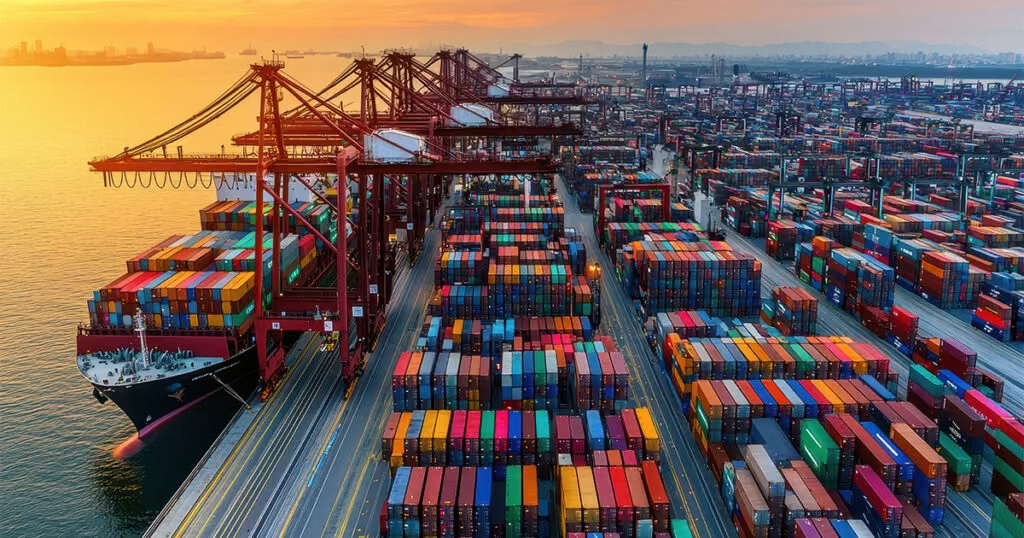
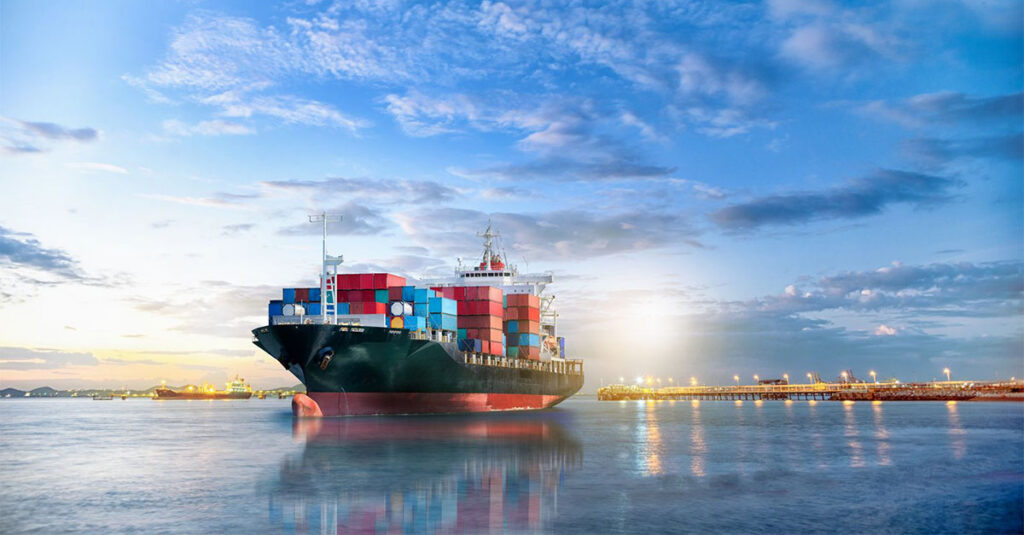
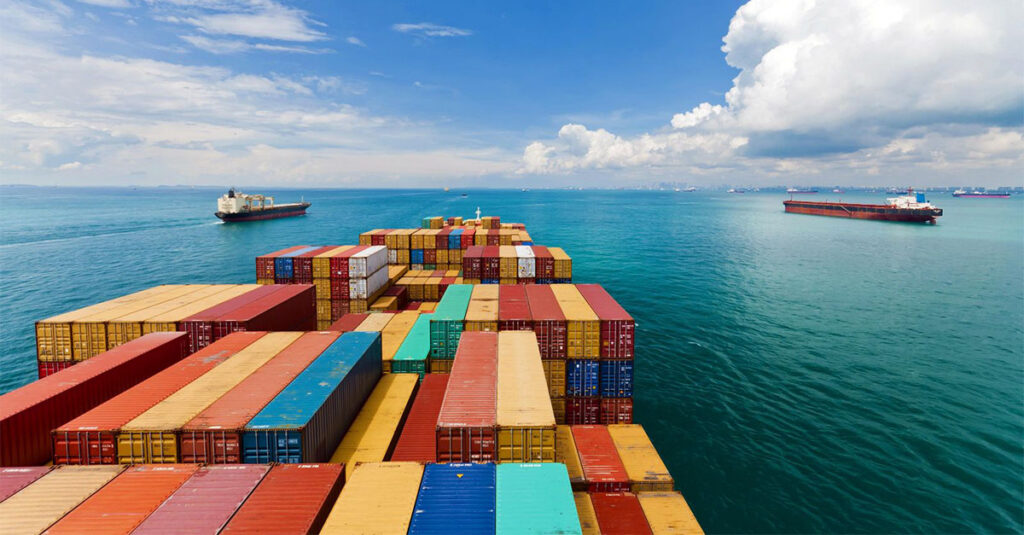
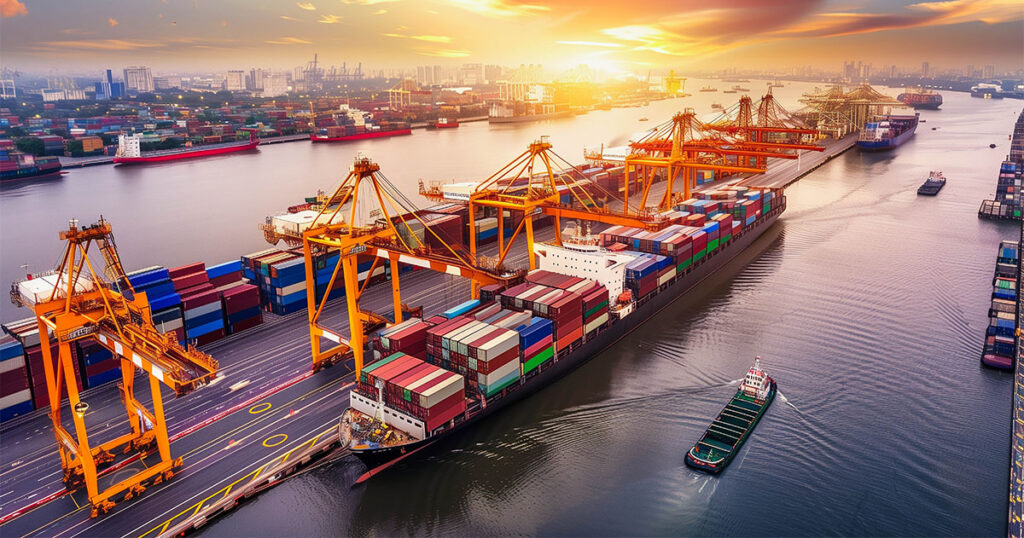
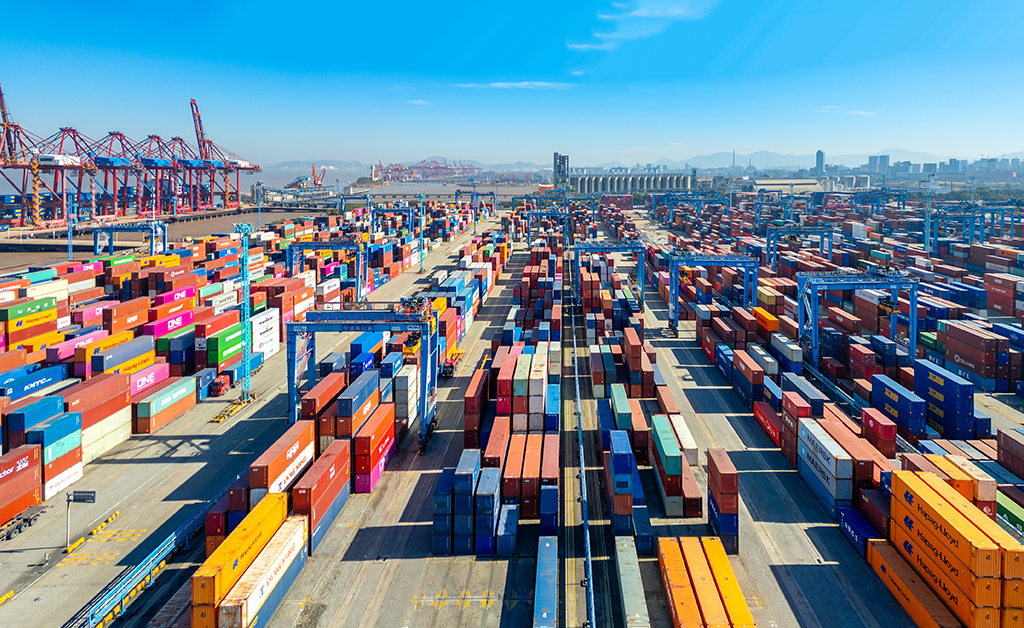
Trans-Pacific ocean freight rates are rising sooner than expected due to disruptions tied to the Iran conflict. Asia-U.S. West Coast spot rates increased 1% to $2,675 per FEU, and East Coast rates rose 3% to $3,939. Booking activity is also trending up, with the SONAR Ocean Booking Index climbing from 16,166 to 22,951 since the war began in late February.
Rates on the West Coast are now running 45% above pre-war levels and almost 90% above October lows, while rates on the East Coast are 30% higher over the same period. Across the Asia-Europe lanes, rates have eased somewhat as carriers have canceled rate increases and blanked sailings to deal with excess capacity.
Agricultural Export Costs up on Middle East Fuel Shock
Fuel costs are now directly adding to the pressure on U.S. agricultural exporters already facing weakening demand. Industry estimates say war-related bunker surcharges and rising diesel prices for trucking and rail could add tens of thousands to hundreds of thousands of dollars per shipment.
These increases come amid a 1.7% compound annual decline in U.S. agricultural exports since 2020. Exporters are also dealing with a changing global demand. As logistics costs rise, U.S. goods are losing competitiveness, and efforts to offset diminished Chinese buying are becoming more difficult.
Ship Seamlessly With APL Logistics
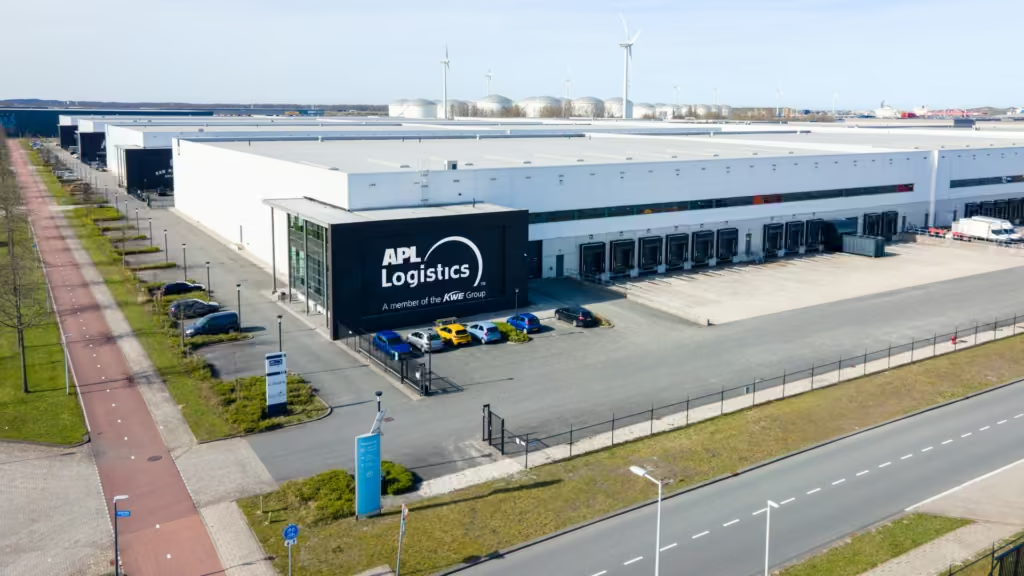
Shipping internationally means coordinating freight, customs, warehousing, and last-mile delivery, often with different providers that don’t talk to each other. With operations in more than 60 countries and over 200 facilities, APL Logistics brings all of that under one roof. This way, you are not chasing updates across four different vendors or finding out about problems after the fact. Contact us today to get started.
Back to Articles
Updates
Subscribe to The Pulse Newsletter
Get in Touch
Whether you have a question, need support, or want to learn more about our logistics solutions, fill out the form below and our team will get back to you as soon as possible.
We'll be in touch soon.





.avif)
.avif)

.avif)

.avif)
.avif)






















Your Partner for Connected, Integrated Solutions
APLL works with enterprises that manage complex supply chains, delivering custom solutions and reliable execution.