Back to Articles
Customer Advisory: Middle East Updates
Share
Link Copied

Link Copied

MAY 4, 2026 UPDATE
Emergency Fuel Surcharge Impact
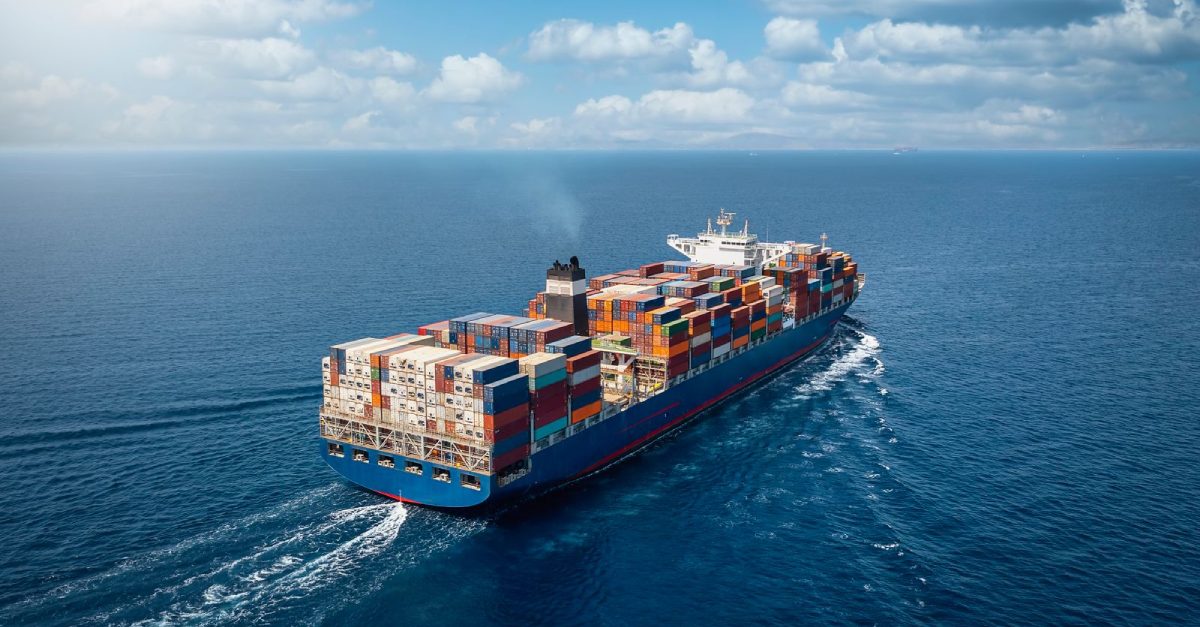
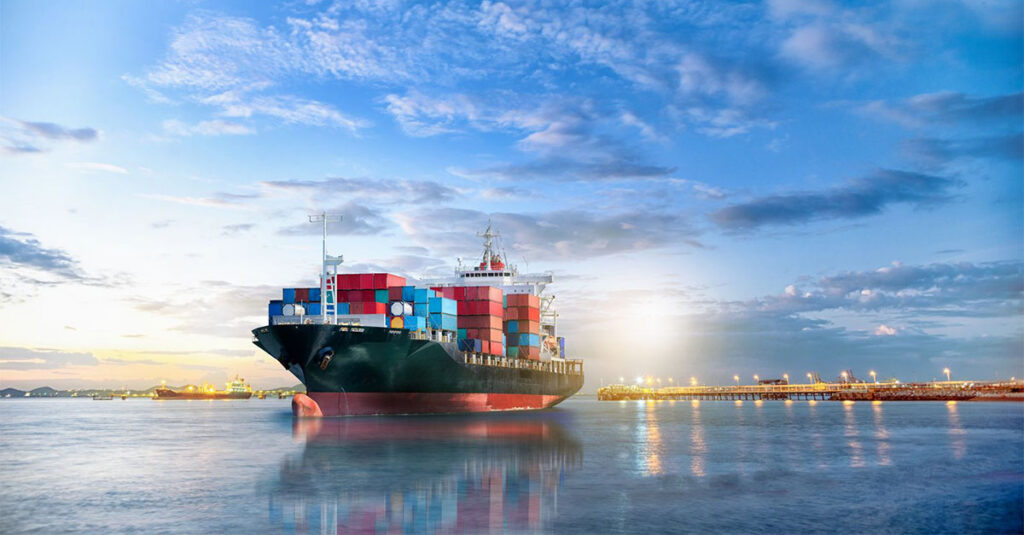
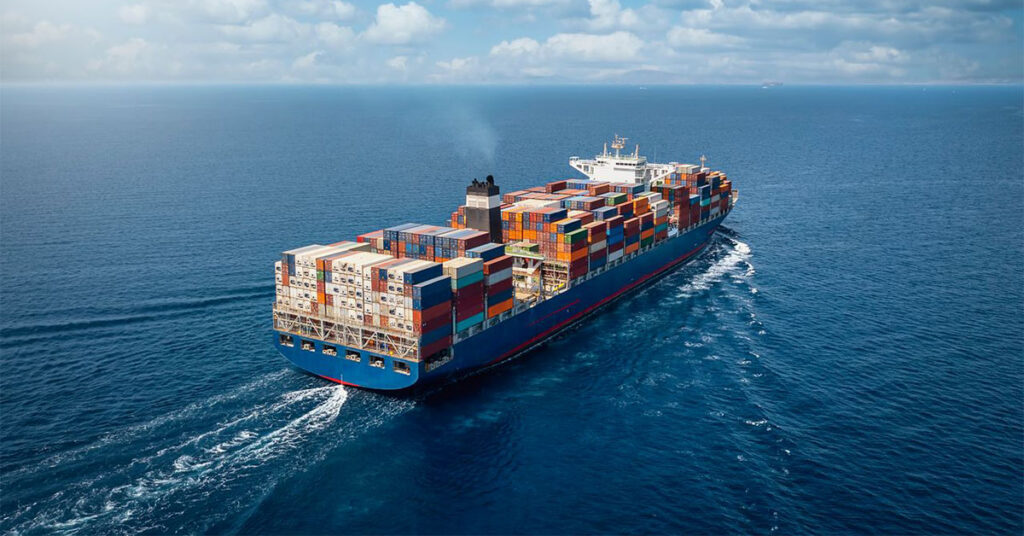
Global transportation markets are experiencing heightened volatility driven by fuel price fluctuations. Ocean and air carriers are increasingly implementing Emergency Fuel Surcharges (EFS) and capacity management measures, including blank sailings and rolled containers, which are affecting cost structures and schedule reliability across multiple trade lanes. These actions are contributing to increased transportation costs and operational uncertainty for shippers.
CURRENT OPERATIONAL IMPACTS
Ocean Freight
Carriers are implementing Emergency Fuel Surcharges (EFS) depending on trade lane, direction, container type, and regulatory scope. In addition, some carriers are now adding the EFS cost directly to the Bunker cost and updating the amount every month. Contact your APLL Account Representatives for specific details on any of your shipments.
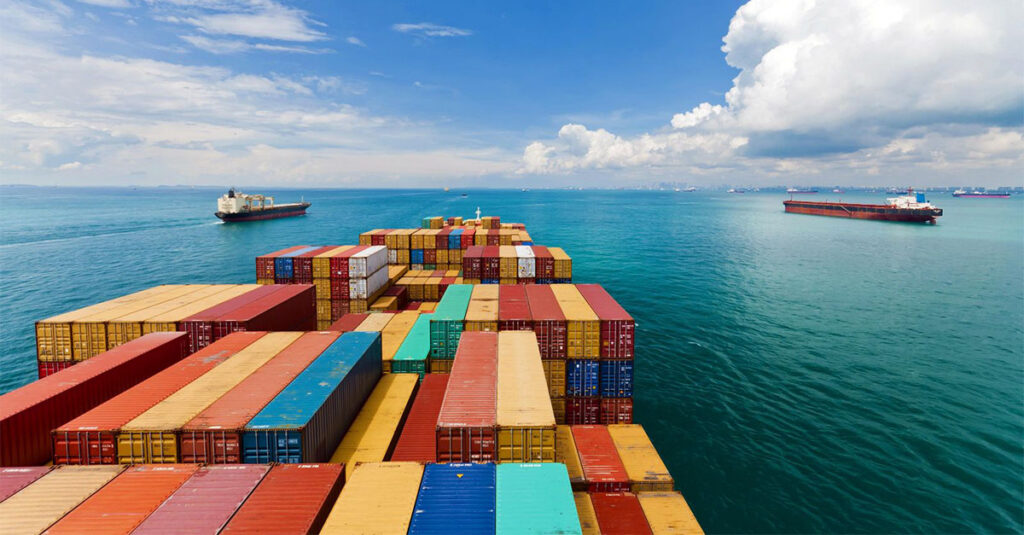
Blank sailings and rolled containers are being used to constrain capacity, reduce schedule reliability, and support surcharge implementation.
Trucking
Fuel volatility driving significant trucking cost increases (30–70%+), with surcharges and rising port/handling costs. Inflation pressures remain moderate, but trending upward.
Air
Air cargo markets remain tight in select regions, with capacity constraints and cost pressure driven by fuel volatility and carrier network adjustments. Customers may experience higher rates and prioritization of time‑sensitive or high‑yield cargo.
REGIONAL SPOTLIGHT — MIDDLE EAST
High‑Level Summary
- While several ports and airports across the Middle East remain operational, access and reliability vary significantly due to security risk, insurance limitations, and carrier network decisions.
- Major ocean carriers continue to avoid the Upper Gulf, limiting direct service availability.
- Saudi Arabia’s Red Sea ports are increasingly serving as the region’s primary maritime gateways as carriers adapt routing strategies.
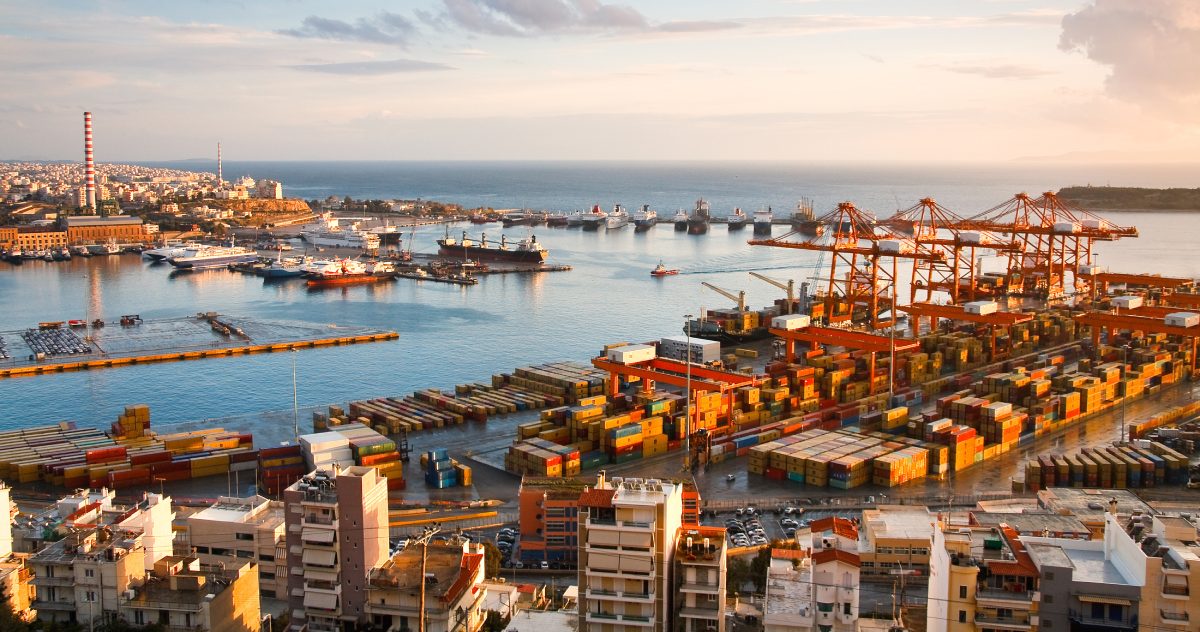
Middle East Port Status — Snapshot
| Area | Current Status | Customer Implication |
| Upper Gulf | Functionally inaccessible for most liner services | No direct carrier access |
| United Arab Emirates (West Coast) | Operating with constraints | Increased routing and schedule risk |
| Oman (Salalah) | Operational volatility persists | Not recommended for transshipment |
| Saudi Arabia (Red Sea) | Operational and stable | Primary maritime gateways |
| Iraq (Umm Qasr / Khor Al Zubair) | Ports open but access constrained | Limited practical service options |
Operational Note: In some instances, ports may be technically open but effectively inaccessible due to carrier network suspensions, insurance constraints, or navigation safety considerations.
NEAR‑TERM CUSTOMER OUTLOOK
Customers should plan for:
- Extended duration of fuel‑related surcharges: Recent carrier updates suggest EFS mechanisms may remain in place for an extended period, with limited visibility on rollback timing and the potential for further adjustment.
- Lead time buffers: Build in longer transit times and less reliable schedules, particularly for US/Europe lanes and transshipment routes.
- Capacity strategy: Pre-book air and ocean space early, prioritize critical cargo, and consider modal flexibility (air vs ocean) due to tight and volatile capacity conditions.
OUR SUPPORT
APL Logistics continues to monitor carrier advisories, port/terminal operating status, maritime security updates, and regional air cargo access. Where shipments are impacted, customers will be contacted with available options for rerouting, prioritization, and recovery planning.
SOURCES
- Reuters – Ongoing reporting on Middle East security developments and resulting impacts to global energy and shipping markets, including fuel supply risk and carrier responses. [cma-cgm.com]
- Journal of Commerce (JOC) – Industry analysis on emergency fuel surcharges, carrier capacity management, and implications for shippers, including coverage through early May 2026. [cma-cgm.com]
- Ocean Network Express (ONE) – Customer advisories detailing Emergency Fuel Surcharge (EFS) implementation and updates across global trade lanes, effective May 2026.
- Hapag‑Lloyd – Public notice on Emergency Fuel Surcharge implementation across all trades in response to fuel cost volatility and geopolitical risk. [zim.com]
- ZIM Integrated Shipping Services – Customer update outlining revised Emergency Fuel Surcharge levels effective May 1, 2026, across applicable trades. [ddwlogistics.com]
- Seaboard Marine – Customer advisory announcing increased Emergency Fuel Surcharge levels effective mid‑May 2026 due to continued fuel market volatility. [one-line.com]
- Container News / Container Management – Trade press reporting on carrier surcharge updates, capacity discipline, and routing impacts linked to fuel and security conditions.
Disclaimer: This advisory does not constitute legal advice and is issued for general information purposes only. APL Logistics accepts no responsibility for any information contained within this advisory and refutes and excludes any liability in respect of the contents or for action taken based on such information.
MARCH 19, 2026 UPDATE
Major Escalation in Multi‑Modal Disruption and Energy Infrastructure Risk
The situation in the Middle East has escalated materially over the last 24–48 hours, with continued severe disruption to maritime access through the Strait of Hormuz, compounding port operating restrictions across the Gulf, and ongoing constraints to regional air cargo capacity. In parallel, Reuters reporting indicates additional impacts to regional oil and gas infrastructure, increasing the probability of further cost volatility (fuel/bunker) and wider network ripple effects.
Customers with cargo originating in, destined for, or transshipping through Gulf gateways (UAE, Qatar, Kuwait, Bahrain, Iraq, and Eastern Saudi Arabia), as well as customers dependent on Asia–Europe/ME transshipment patterns, should plan for extended lead times, constrained capacity, schedule instability, and heightened cost pressure.
CURRENT SITUATION
- Strait of Hormuz remains effectively closed, with traffic down >95%; from 1–18 March only 105 crossings vs. normal ~120/day
- Only selective passage permitted, primarily for Iranian, Chinese, Pakistani, and Indian-linked vessels, confirmed across S&P, Lloyd’s List, and Times Now reporting.
- Hundreds of vessels remain backed up in the Gulf of Oman, with thousands of seafarers stranded on anchored ships
- Massive energy infrastructure strikes occurred on 18–19 March:
- Saudi Arabia: Ras Tanura refinery hit (March 19); Yanbu targeted; output cut by ~2 million bpd.
- Kuwait: Mina al‑Ahmadi & Mina Abdullah refineries struck; fires triggered.
- Qatar: LNG export facilities attacked; ~17% of LNG export capacity disrupted; Pearl GTL shut.
- UAE: Habshan gas complex shut after debris incidents.
- Airspace: Multiple regional closures continue; foreign carrier access highly restricted and DXB/DWC still in recovery mode from prior drone strike.
- Politically, G7 nations issued a coordinated condemnation of Iran’s closure of Hormuz and attacks on commercial vessels on 19 March.
This represents the highest level of multi‑modal disruption in the region since the conflict began on 28 February.
PORTS: Technically Open, Functionally Isolated
Most Gulf ports are open on paper but unusable in practice due to the effective closure of the Strait of Hormuz, high security risks, and insurance withdrawal.
United Arab Emirates
- Jebel Ali, Sharjah, Hamriyah operating normally.
- Fujairah & Khor Fakkan affected by SPM shutdowns and GPS spoofing, creating unsafe navigation conditions.
- UAE airports operating on limited schedules due to the 18 March drone strike.
Oman
- Salalah remains unstable following earlier drone strikes; not reliable for transshipment.
Qatar
- Ports open, but Ras Laffan LNG complex hit by missiles on 18 March, worsening regional risk.
Kuwait
- Shuwaikh & Shuaiba operational, but nearby refineries hit by drones on 19 March.
Saudi Arabia
- Jeddah and King Abdullah Port are stable and now the main maritime gateways for the region.
Iraq
- Umm Qasr/Khor Al Zubair operational but cut off—carriers cannot access due to Hormuz closure.
Carrier Networks — Full Suspension for the Upper Gulf. All major liners treat the Gulf as inaccessible.
NEAR‑TERM CUSTOMER OUTLOOK (NEXT 7–14 DAYS)
Customers should plan for:
- No immediate normalization of Gulf maritime access, with continued severe transit disruption and irregular movement patterns.
- Extended lead times and irregular schedules, particularly for cargo routed via Gulf hubs or dependent on Gulf feeder connectivity.
- Elevated cost volatility, including potential war‑risk and fuel/bunker related adjustments as conditions evolve.
- Reduced flexibility to shift urgent freight from ocean to air due to constrained and variable uplift in key hubs.
OUR SUPPORT
APL Logistics continues to monitor carrier advisories, port/terminal operating status, maritime security updates, and regional air cargo access. Where shipments are impacted, customers will be contacted with available options for rerouting, prioritization, and recovery planning.
Sincerely,
APL Logistics
SOURCES
- Malay Mail (AFP) – “How the Strait of Hormuz blockade is choking global shipping and oil flows” (19 Mar 2026). [malaymail.com]
- CNBC (Reuters) – “Traffic is trickling through Strait of Hormuz: Who’s moving and who’s stranded” (18 Mar 2026). [cnbc.com]
- Reuters (graphics) – “How the Strait of Hormuz closure affects global oil supply” (11 Mar 2026). [reuters.com]
- Reuters via Al‑Monitor – “Factbox—US‑Israeli war with Iran causes major oil, gas disruptions” (19 Mar 2026). [al-monitor.com]
- UK – Joint statement (UK/France/Germany/Italy/Netherlands/Japan) on the Strait of Hormuz (19 Mar 2026). [gov.uk]
- Inchcape Shipping Services – Middle East Port Advisory (19 Mar 2026, 10:00 UAE LT). [iss-shipping.com]
- Maersk – Middle East Operational Update 12 (18 Mar 2026). [maersk.com]
- Crane Worldwide Logistics – Middle East Operations Update: Current Service Status (18 Mar 2026). [craneww.com]
- Times Now – Strait of Hormuz selective ship movement discussion (Updated 19 Mar 2026). [timesnownews.com]
Disclaimer: This advisory does not constitute legal advice and is issued for general information purposes only. APL Logistics accepts no responsibility for any information contained within this advisory and refutes and excludes any liability in respect of the contents or for action taken based on such information.
About APL Logistics
APL Logistics is a leading global supply chain logistics provider focused on order management. With over four decades of experience, we offer innovative, end-to-end supply chain solutions across various industries. With a strategic balance of our world-class account management teams, proprietary digital solutions, and an extensive network, APL Logistics’ Order Management will enable your business to stand out, adapt faster, and execute more efficiently than your competitors.
The APL Logistics group of companies has a global network covering all major markets and is backed by a multinational workforce. APL Logistics Ltd is a member of the Kintetsu World Express group, a global logistics services provider. For more information, visit www.apllogistics.com, email us at global_marketing@apllogistics.com, and connect with us on LinkedIn, Instagram, and YouTube.
Back to Articles
Updates
Subscribe to The Pulse Newsletter
Get in Touch
Whether you have a question, need support, or want to learn more about our logistics solutions, fill out the form below and our team will get back to you as soon as possible.
We'll be in touch soon.





.avif)
.avif)

.avif)

.avif)
.avif)






































Your Partner for Connected, Integrated Solutions
APLL works with enterprises that manage complex supply chains, delivering custom solutions and reliable execution.