
Back to Articles
Port Spending Rises as Manufacturing and Freight Markets Regain Strength

Share
Link Copied

Link Copied

The Port of Los Angeles is bracing for declining container volumes while committing billions of dollars to terminal, rail, and road projects. U.S. manufacturing is picking up, giving dry van carriers more freight to chase after years of poor pricing. Meanwhile, shipowners are struggling to recruit and train skilled crews as conflict, detention risks, and new vessel fuels place higher demands on workers.
Trade policy is in flux too. A federal appeals court has allowed Section 122 tariffs to remain in place while the policy is litigated. And trucking capacity has declined to the point where rates are rising, even without a significant increase in shipment volumes. Although carriers like the breathing room, fuel prices, interest rate decisions, and uneven consumer demand still leave room for another change of course.
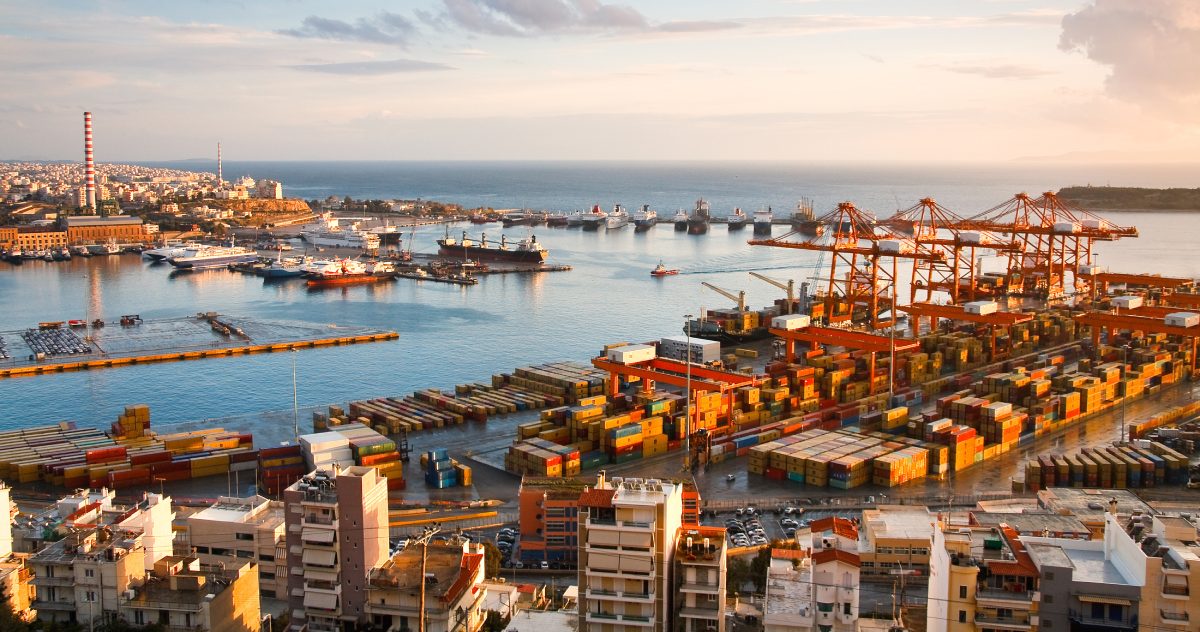
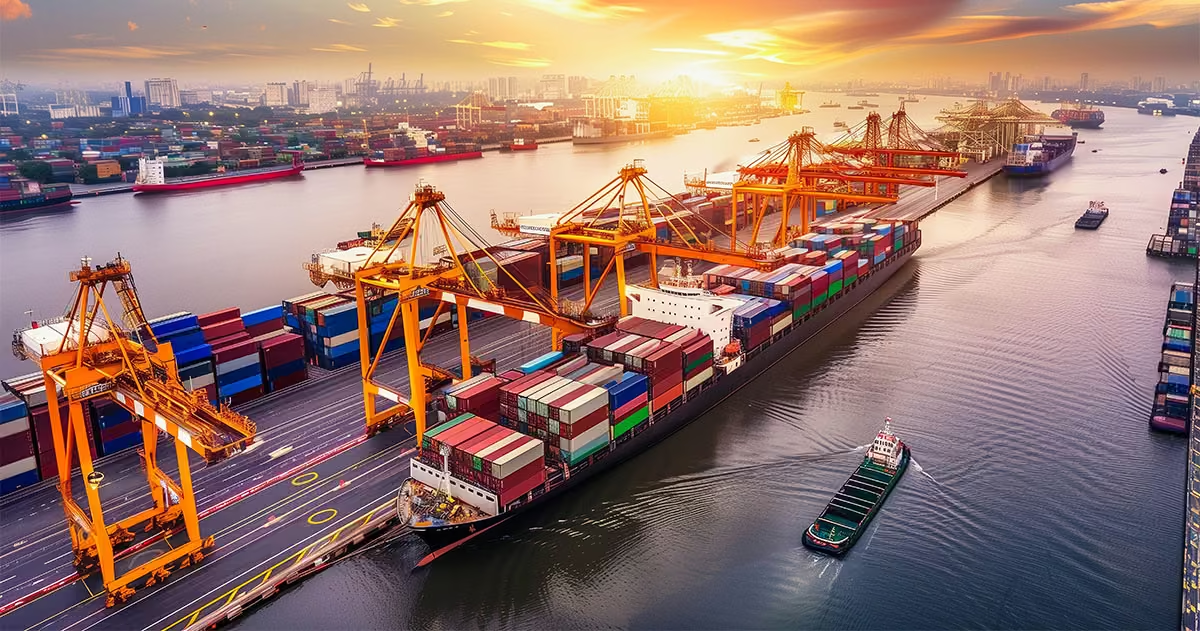
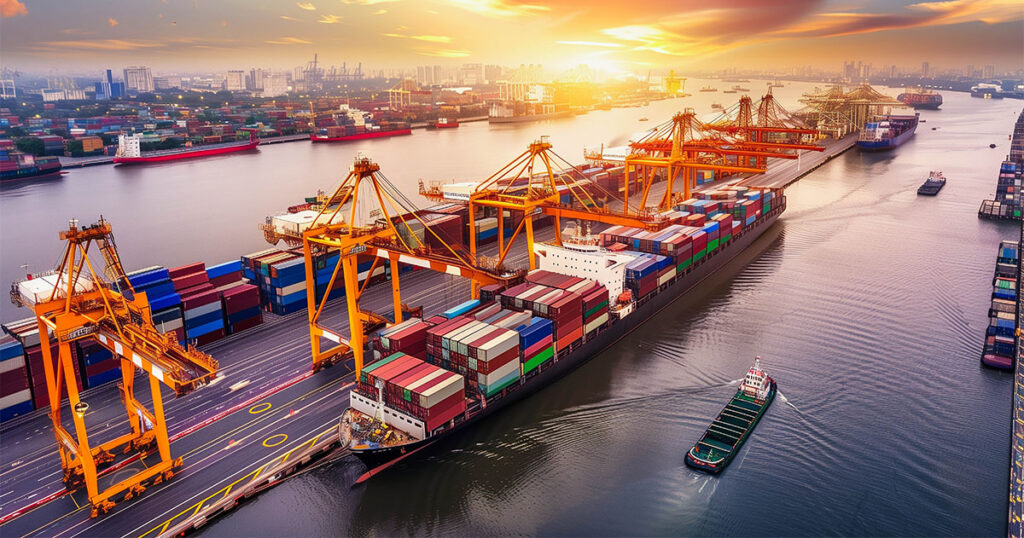
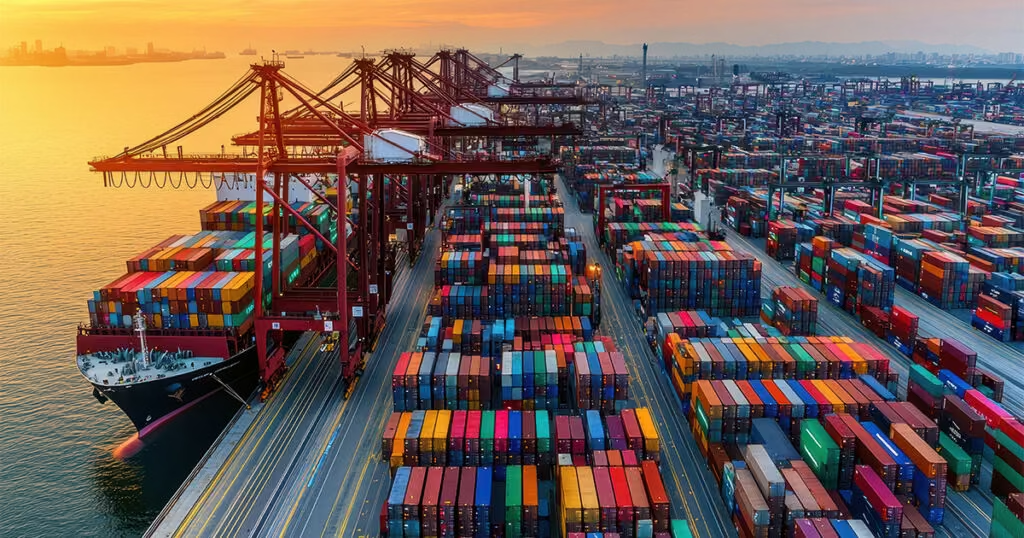
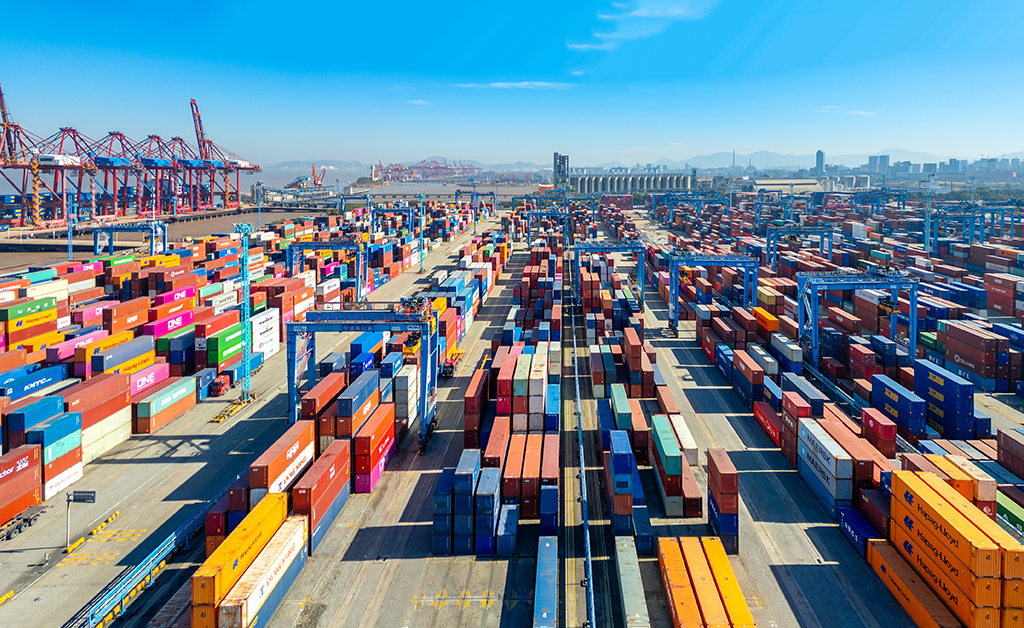
Port of LA Approves $3.4B Budget as Cargo Outlook Weakens
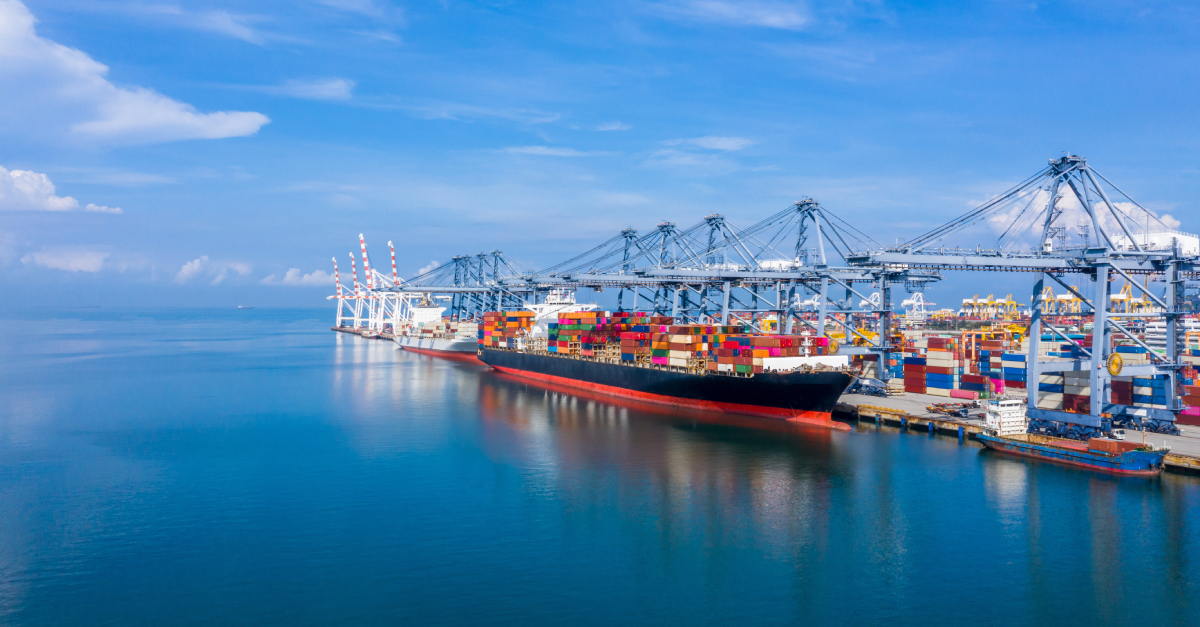
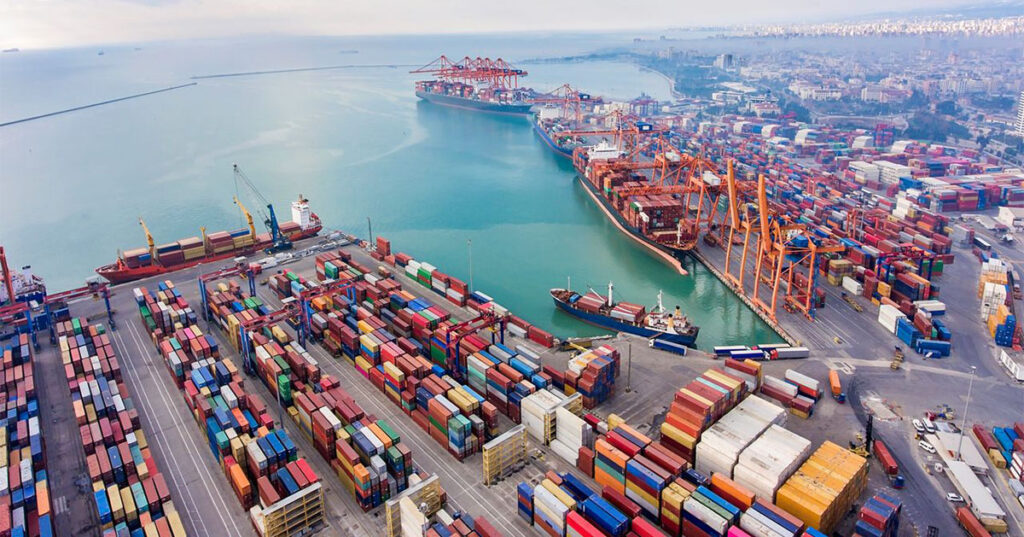
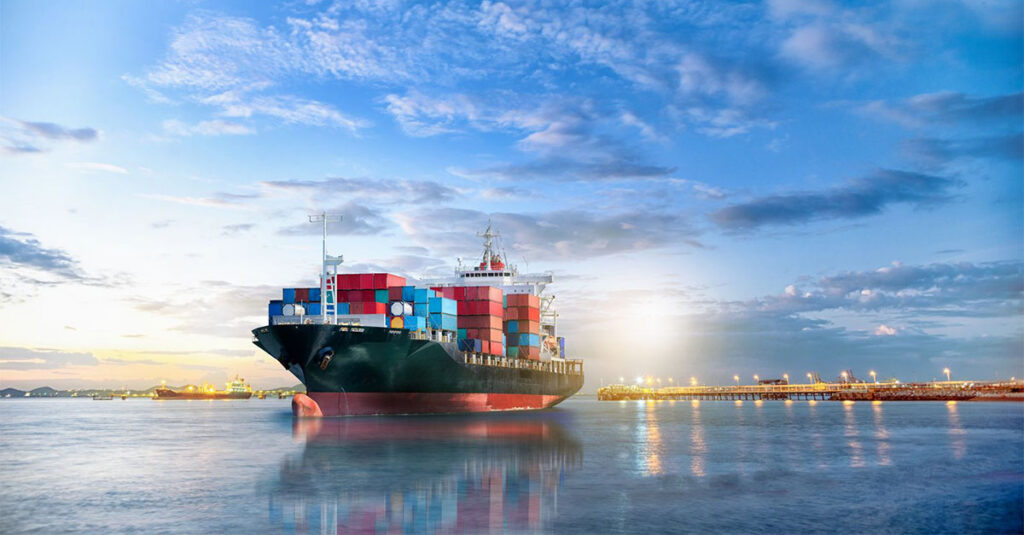
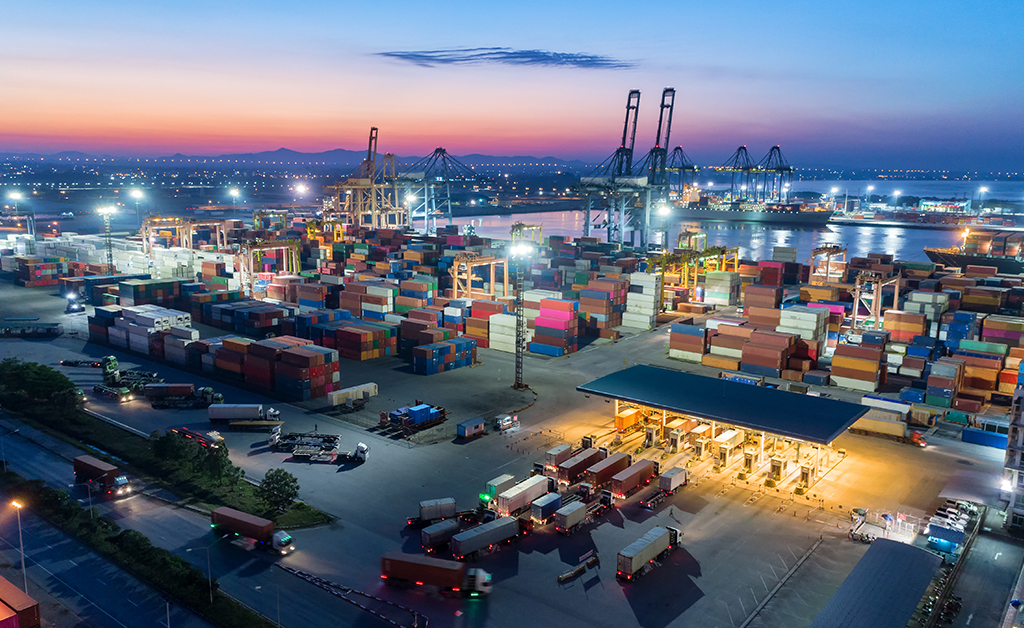
The Port of Los Angeles has authorized a $3.4 billion budget for fiscal 2026-27, even as it expects a 7% decrease in volume to 9.3 million TEUs. China’s share of containerized imports at the port has dropped to about 40% in 2026, down from 53.4% in 2025, as tariffs push some shippers to gateways in Mexico and Canada.
Capital spending is up 31%, leading to a $665 million increase over last year’s budget. However, operating revenue is expected to increase by 26% to $826 million, and expenses are expected to total $452 million.
Manufacturing Rebound Pushes Dry Van Rates Higher
U.S. manufacturing reached a four-year high in May, signaling stronger demand for freight. The ISM Manufacturing PMI climbed 1.3 points to 54%, for the fifth consecutive month above the expansion threshold. New orders rose to 56.8%, production held at 54.3%, and order backlogs rose to 52.2%. Customer inventories were low at 42.7%, and this could support additional restocking and factory shipments.
Dry van rates are already going up. The national linehaul spot rate increased 7 cents to $2.39 per mile, 43% higher than the same week in 2025. Midwest rates hit $2.83 per mile, while rates on DAT’s top 50 lanes averaged $2.87. Fuel costs, long supplier lead times, and geopolitical uncertainty could still hit carrier margins.
Shipping Faces Growing Talent, Seafarer Welfare Pressures
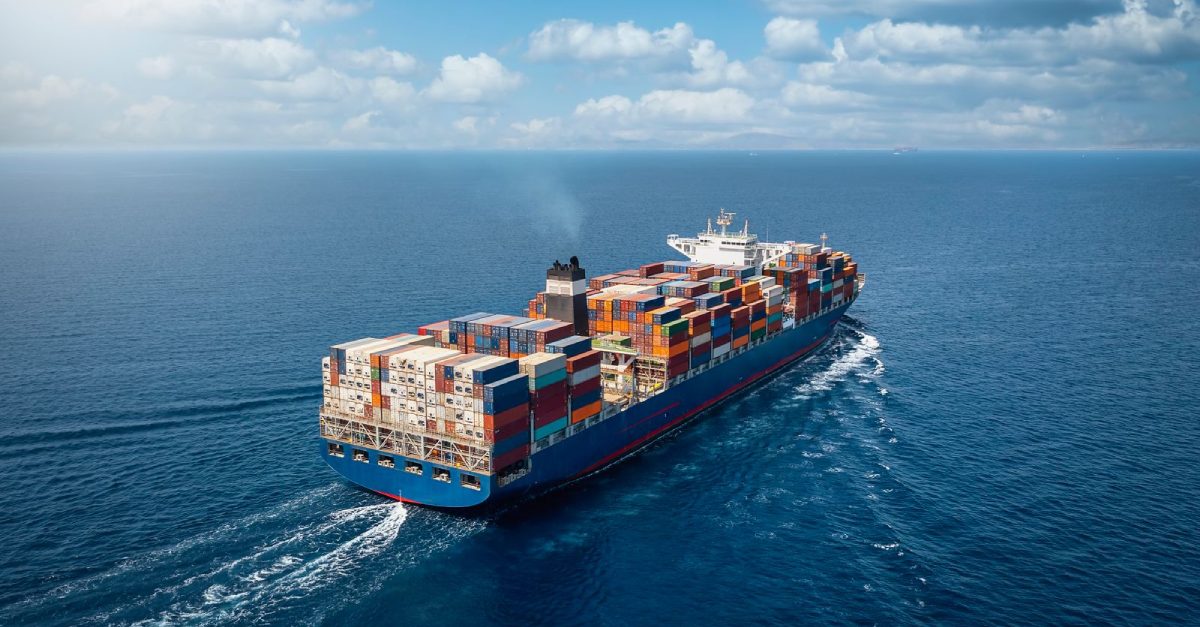
Shipowners are facing a growing talent shortage in a global fleet of around 2 million seafarers. Some 20,000 crew members are still trapped in the Persian Gulf, raising new concerns about freedom of navigation and crew welfare. Industry leaders said simply hiring more people will not solve the problem.
Operators must keep experienced staff going ashore, fill training gaps, and prepare crews for new fuels such as LNG and ammonia. This transition will require more training in safety, leadership and communication. Maritime lawyers and welfare groups demanded legal aid, accommodation, medical care, and emergency guidance for detained crew and their families.
Appeals Court Allows Section 122 Tariffs to Remain in Force
A federal appeals court has granted the Trump administration’s request to continue collecting its temporary 10% Section 122 tariffs while the government’s appeal is pending. The decision overturns the narrow relief granted to two importers and the state of Washington in May, after the Court of International Trade said the duties were illegal.
The Federal Circuit indicated that the government will probably prevail on appeal and challenged the trade court’s narrow interpretation of Section 122. The statute allows tariffs of up to 15% for 150 days to deal with balance-of-payments deficits. The order is not a final decision, but it’s the strongest hint yet that the tariffs may survive. And importers should expect that duties will still have to be paid until the appeal is settled.
Truck Rates Rise as Capacity Leaves the Market
The U.S. trucking industry appears to be emerging from a freight slump that lasted nearly four years. Spot rates for dry van for the week ended June 5 rose about 52% from a year ago, excluding fuel surcharges, while the Logistics Managers’ Index posted its fastest transportation price surge in 10 years.
Executives say the rebound is supply-led, not demand-led. Shipments are flat or slightly higher, but carrier failures and tighter driver rules have removed trucks from the market. Estes Express Lines is adding equipment and drivers now, and Old Dominion reported a 5.4% increase in revenue per hundredweight excluding fuel.
Ship Seamlessly With APL Logistics
Shipping internationally means coordinating freight, customs, warehousing, and last-mile delivery, often with different providers who don’t communicate with each other. With operations in more than 60 countries and over 200 facilities, APL Logistics brings all of that under one roof. This way, you are not chasing updates across four different vendors or finding out about problems after the fact. Contact us today to get started.
Back to Articles
Updates
Subscribe to The Pulse Newsletter
Get in Touch
Whether you have a question, need support, or want to learn more about our logistics solutions, fill out the form below and our team will get back to you as soon as possible.
We'll be in touch soon.









.avif)
.avif)

.avif)


.avif)

.avif)

































Your Partner for Connected, Integrated Solutions
APLL works with enterprises that manage complex supply chains, delivering custom solutions and reliable execution.