
Back to Articles
Ocean Rates Near Pandemic Highs as Truck Capacity Shrinks
Share
Link Copied

Link Copied

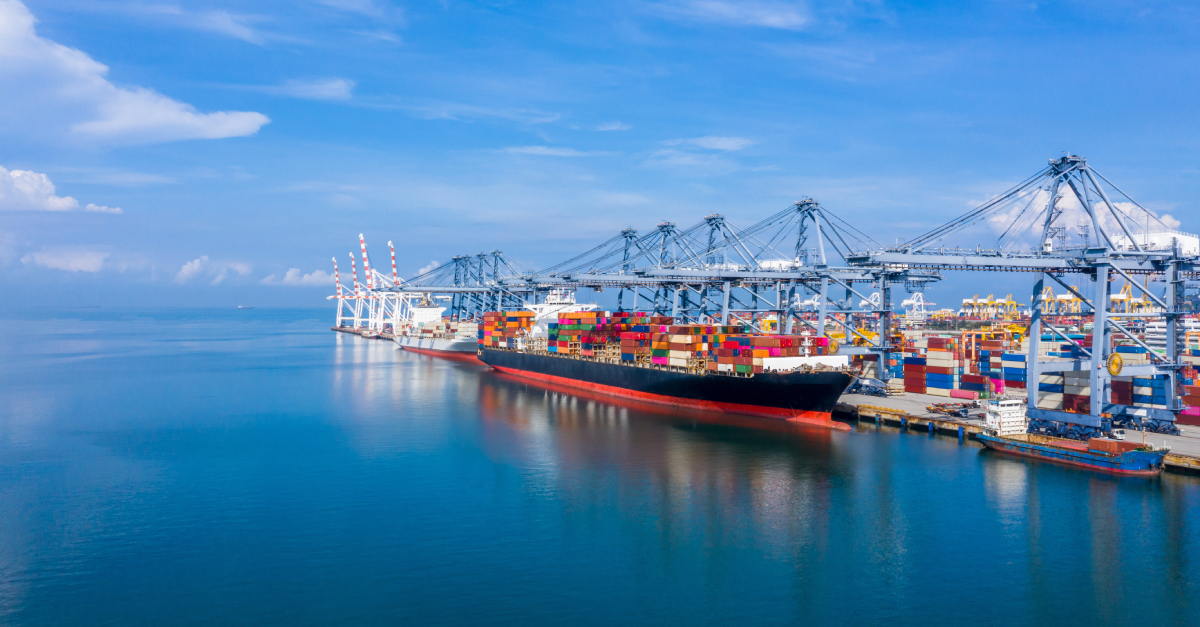
Ocean freight rates are flirting with pandemic-era records again, and this time it’s not one crisis but several stacking together: lingering Strait of Hormuz tensions, a relentless run of Asian typhoons, and carriers racing to move cargo before China’s Golden Week shutdown.
Trans-Pacific spot rates have quadrupled since February and are within striking distance of their 2022 highs, even as truckload capacity keeps shrinking and rising tanker costs start rippling into agricultural trade.
The one bright spot in this report today is the Suez Canal, which is seeing traffic rise as major carriers cautiously return. Continue reading to see how these pressures are reshaping freight costs across every mode.
Asia-U.S. Container Rates Pass $11,000, Near Pandemic Records
Asia-U.S. spot rates have surged more than 320% since late February, according to Xeneta data. West Coast rates reached $7,960 per forty-foot unit, and East Coast rates climbed to $11,259, putting the East Coast lane within 11% of its pandemic-era record and the West Coast within 18% of its own.
Xeneta’s Peter Sand said carriers are adding East Coast capacity to capitalize on current pricing, and expects one more rate push in early October as shippers rush cargo out of Asia ahead of Golden Week. This increase in freight rates is similar to the pattern we tracked earlier in the year when tariff refunds and rising ocean rates squeezed manufacturers and pushed them to place orders earlier than usual.
Truckload Carriers Believe Capacity Exodus Is Growing
Truckload capacity executives say the market correction remains in an early stage, even as the pool of compliant carriers keeps shrinking. Schneider National’s Jim Filter said the company has culled its approved carrier list to 14,000 from 60,000 at its peak, and Werner Enterprises pointed to the Supreme Court’s broker liability ruling as tightening carrier selection further.
Schneider said capacity, not demand, is the bigger constraint on growth, since exited supply has already created enough business on its own. Werner is forecasting a 10% to 13% year-over-year rate increase for the third quarter, consistent with the pricing power seen in the market when capacity first tightened while demand held flat earlier this year.
Could Freight Crisis Hit U.S.-Latin America Agriculture?
Record crude tanker rates are starting to expose U.S. and Latin America agricultural exporters to new logistics risk. Moving a crude cargo from Houston to Asia now adds roughly $26 per barrel, or about $52 million per cargo, as vessel availability tightens and refiners source closer to home.
Some Atlantic cargoes are splitting onto smaller tankers to avoid the Strait of Hormuz risk. There is no evidence yet that grain or container rates have risen at the same pace, but USDA data show inland waterways and Gulf ports move the majority of U.S. grain exports, making the sector sensitive to any sustained rise in fuel and vessel costs.
Suez Canal Revenue Jumps 57% as Major Carriers Return
Suez Canal revenue jumped 56.7% year over year to $567.1 million in August as larger vessels and heavier cargo volumes returned to the waterway, according to Suez Canal Authority data. The canal handled 1,358 vessels, up 27% from a year earlier, while net tonnage climbed 51.1%. CMA CGM, Maersk, MSC, Hapag-Lloyd, and COSCO have all resumed scheduled transits, though August receipts remain about 36% below their pre-disruption 2023 level, and some westbound routes still divert around Africa.
Typhoon Disruptions Drive Congestion, Put Pressure on Rates
Trans-Pacific rates ticked up another 2% last week to new peak-season highs on both coasts, according to Freightos’ latest weekly update. Analyst Judah Levine pointed to unrelenting congestion at major Far East hubs, where Typhoon Saudel closed Shanghai and Ningbo for several days and left as many as 90 ships waiting more than a week for a berth in Shanghai.
Panama Canal low-water restrictions could add further surcharge pressure on East Coast rates, while Asia-Europe rates have cooled from their July peak but remain above pre-peak levels because of the same congestion.
Ship Seamlessly With APL Logistics in Tumultuous Freight Market
Every mode is feeling the same squeeze this week as ocean rates near record highs, truckload capacity continues to shrink, and new risks radiate out from energy and canal disruptions. Even amid this chaos, APL Logistics’ transportation network helps you secure capacity, our customs brokerage & global trade team assists you through volatile ocean and canal conditions, and distribution & fulfillment gives you the flexibility to adjust as rates and routing keep shifting into Golden Week and beyond.
Shipping internationally means coordinating freight, customs, warehousing, and last-mile delivery, often with different providers who don’t communicate with each other. With operations in more than 60 countries and over 200 facilities, APL Logistics brings it all under one roof. This way, you are not chasing updates across four different vendors or finding out about problems after the fact. Contact us today to get started.
Back to Articles
Updates
Subscribe to The Pulse Newsletter
Get in Touch
Whether you have a question, need support, or want to learn more about our logistics solutions, fill out the form below and our team will get back to you as soon as possible.
We'll be in touch soon.
Your Partner for Connected, Integrated Solutions
APLL works with enterprises that manage complex supply chains, delivering custom solutions and reliable execution.