
Back to Articles
Transportation Prices and U.S. Imports Point to Early, Costly Peak Season
Share
Link Copied

Link Copied

Retailers are stocking up early to beat tariff risk, ocean surcharges, and policy uncertainty. That shift is boosting port traffic and stressing transportation networks in new ways. And the strain is not confined to a single mode.
Capacity has tightened, and truckload pricing is still hot. Dry van rates are rising even as overall freight demand remains weak. Surging Class 8 truck orders are giving carriers confidence. Meanwhile, ocean rates are hovering at multiyear highs as Middle East tensions, congestion, and peak season surcharges combine.
Costs are rising first, but demand may or may not catch up. Continue reading to understand the current freight market.
Freight-Moving Costs Stay Near Record High
Transportation prices remained near record levels in June due to capacity tightening and early retail shipments ahead of peak season. The Logistics Managers’ Index showed transportation costs at 92.4, only 3.6 points below the record in May. Transportation capacity fell for the seventh consecutive month to 30.8, while utilization rose to 74.7.
The second half of June was tighter still, with utilization rising to 78.8, the highest level in eight years. Stricter regulatory enforcement has helped reduce the available supply, weakening routing guides and forcing some shippers to reprice freight. Overall LMI rose to 71.1, the first reading above 70 since March 2022, as retailers built inventory early to avoid tariff risk and July ocean surcharges.
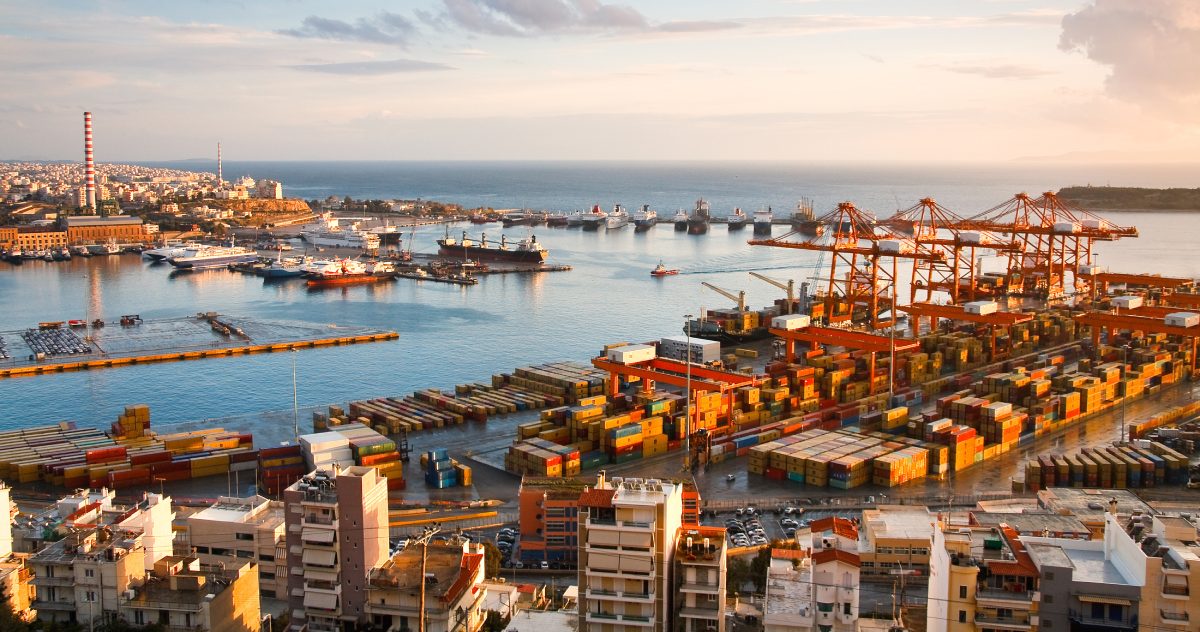
Imports Set for July Record in Rush Ahead of Tariffs
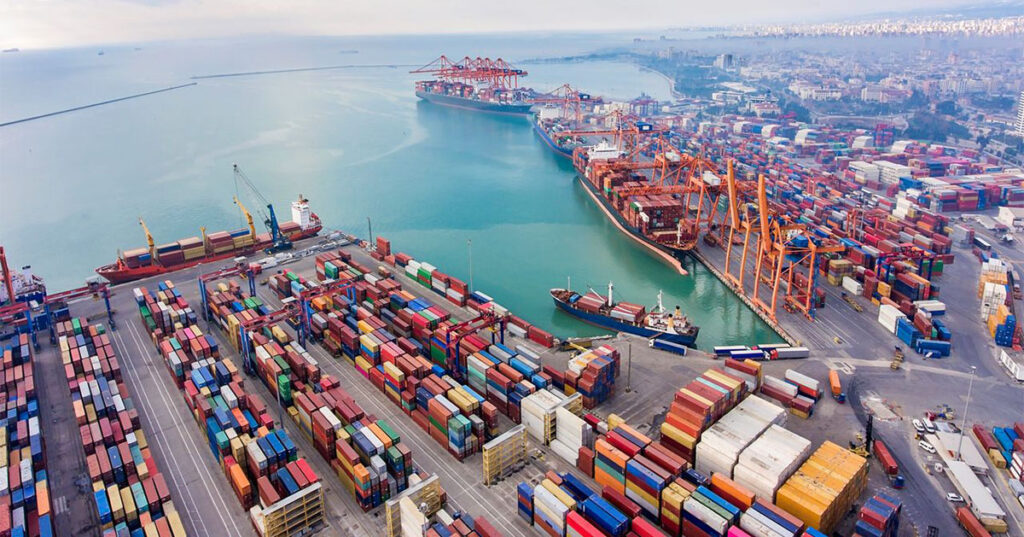
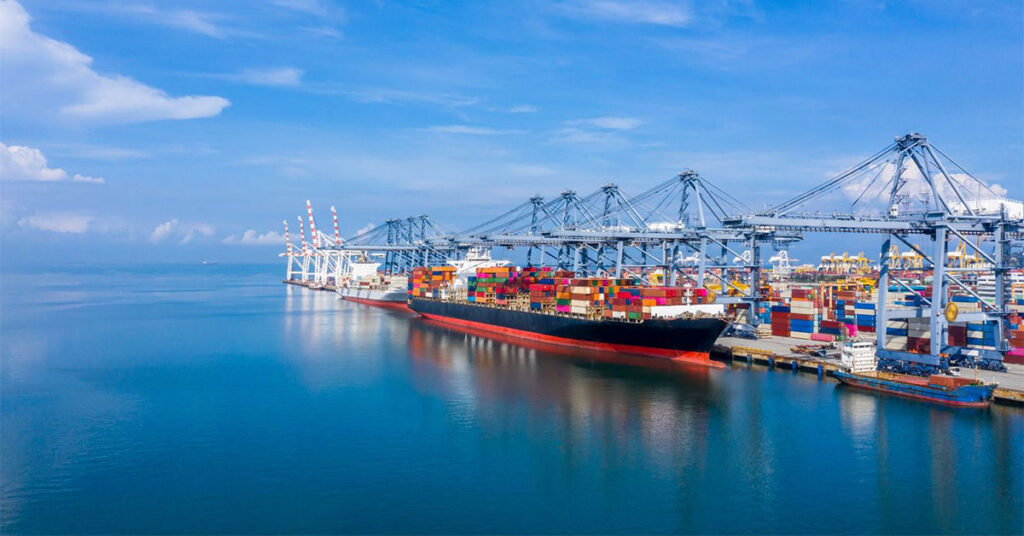
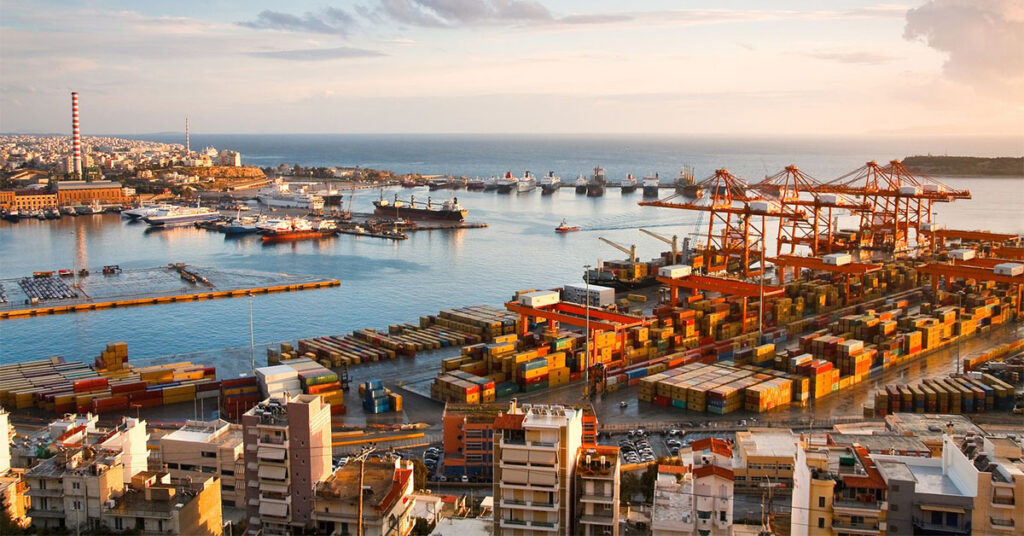
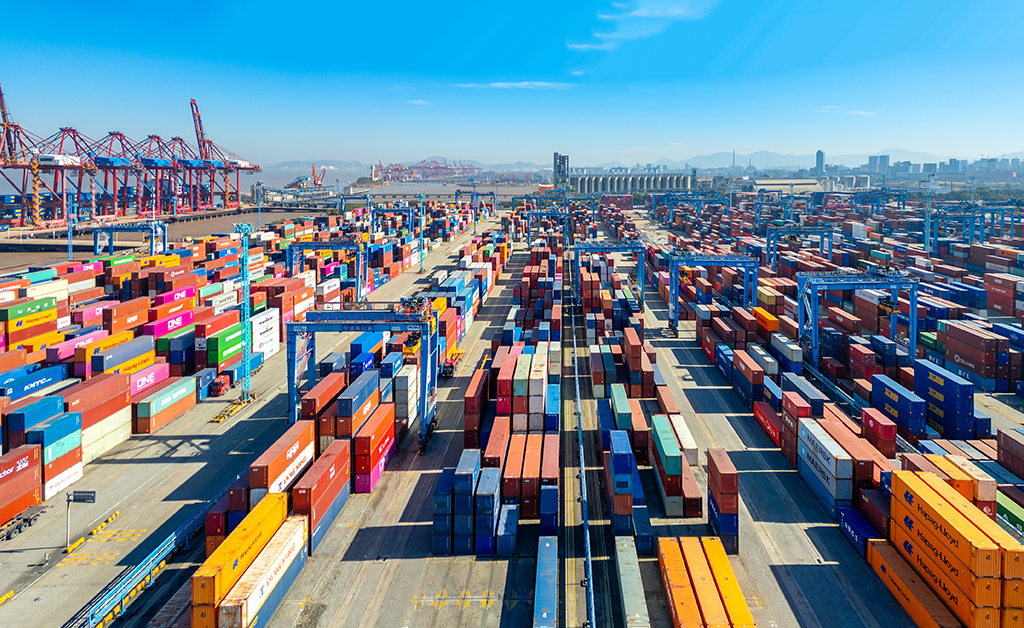
U.S. container imports are poised to reach a monthly record in July as retailers move goods forward in anticipation of potential tariff increases in August. The National Retail Federation estimates July volume at 2.47 million TEUs, up 3.3% year over year and above the previous record of 2.4 million TEUs set in May 2022.
Total May volume was 2.24 million TEUs, up 14.9% from last year and 10.1% from April. June is forecast at 2.33 million TEUs, up 18.7% year over year. Retailers are bracing for higher tariffs and trade uncertainty as Iran-related risks disrupt supply chains. The pull-forward could quickly dissipate with August, September, October, and November volumes all forecast to be down year over year.
Dry Van Rates Jump as Tech Freight Masks Weak Demand
DAT’s dry van report noted the latest rate spike is more the result of tight supply than stronger freight demand. The April trucking ton-mile index increased only 0.2% month over month and year over year, well below previous periods of expansion, including 2018, when demand rose 3.5%.
DAT said weak demand growth is concentrated in freight for AI computing infrastructure, while consumer-related categories remain weak. Revenue tells a different story. Implied revenue increased by 6.4% from March and by 14% from last year, primarily due to higher rates and fuel surcharges.
The national seven-day dry van linehaul rate climbed 7 cents to $2.49 per mile, up 49% from a year ago. DAT cautioned that carriers could be exposed if AI-related capital spending slows down.
Class 8 Truck Orders Surge as Carrier Profits Recover
Higher freight rates made carriers more willing to buy equipment, and North American Class 8 truck orders jumped in June. FTR said preliminary net orders were 30,500, 16% higher than May and 241% higher than a year ago. ACT Research estimated the number a bit higher, at 31,400 units, up 231% year over year.
Both firms said weak comparisons aided the percentage gains in 2025, but FTR said June was still 68% above the 10-year average, its second-highest June total. Analysts now expect the remaining 2026 build slots to be filled in July, with EPA rules, tariffs, and USMCA questions likely to shape the timing of the 2027 fleet.
Trans-Pacific Rates Near Three-Year High
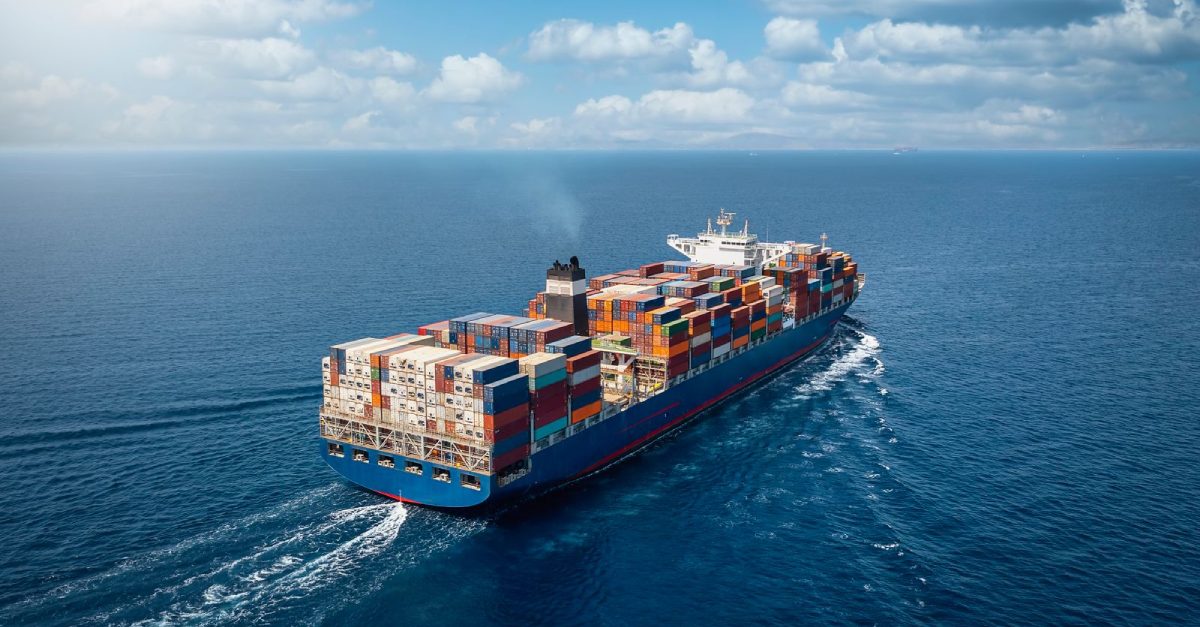
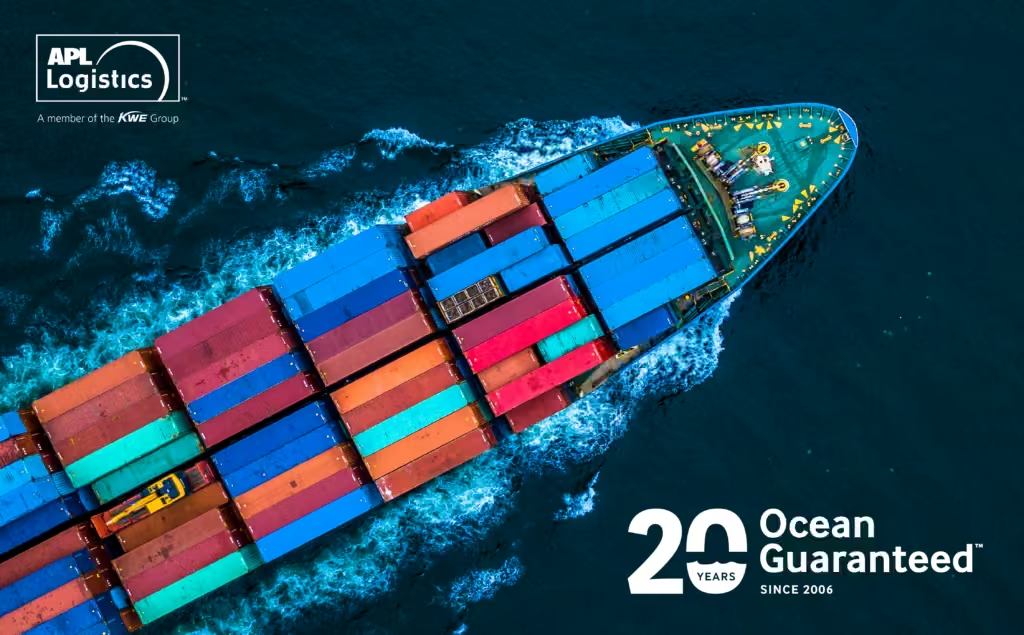
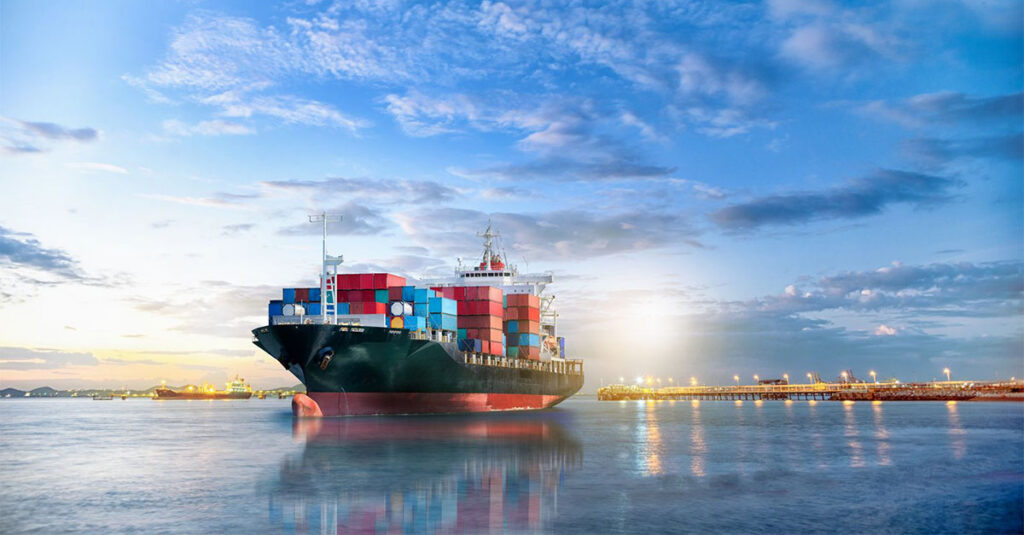
Container rates on the Asia-U.S. trade lane are near a three-year high as fresh U.S.-Iran hostilities put pressure on a firming peak season market. West Coast rates are approximately $6,700 per FEU, while East Coast rates are near $9,000 per FEU after July 1 increases, with surcharges adding another $1,000 per FEU on major east-west lanes.
Trans-Pacific rates have jumped more than $3,000 per FEU since the end of May. The timing is awkward for Maersk, which had worked out a gradual return to the Suez Canal-Red Sea route with Hapag-Lloyd. Fuel is easing, but still 20% to 30% higher than prewar levels, and rate relief may be slowed by rolled cargo and congestion.
Ship Seamlessly With APL Logistics
Shipping internationally means coordinating freight, customs, warehousing, and last-mile delivery, often with different providers that don’t communicate with each other. With operations in more than 60 countries and over 200 facilities, APL Logistics brings it all under one roof. This way, you are not chasing updates across four different vendors or finding out about problems after the fact. Contact us today to get started.
Back to Articles
Updates
Subscribe to The Pulse Newsletter
Get in Touch
Whether you have a question, need support, or want to learn more about our logistics solutions, fill out the form below and our team will get back to you as soon as possible.
We'll be in touch soon.









.avif)
.avif)

.avif)


.avif)
.avif)


































Your Partner for Connected, Integrated Solutions
APLL works with enterprises that manage complex supply chains, delivering custom solutions and reliable execution.