Back to Articles
Inside OceanGuaranteed™: What Happens When the Plan Needs to Change
.avif)
Share
Link Copied

Link Copied

This is the latest installment in our Q&A series with OceanGuaranteedTM (OG) subject-matter experts at APL Logistics (APLL). Earlier editions covered OceanGuaranteedTM promises and the operating infrastructure behind it. This one is for operations insiders. How does visibility work from a process perspective? Who handles it? What is decided, and how fast? And how does the customer know? Our expert with more than three decades at the company walks through the sequence.
What Does the Visibility Timeline of a Freight Move Look Like?
The monitoring chain starts at booking. When a customer confirms an OG shipment, they receive an automatic guaranteed delivery date, which includes vessel assignment and equipment allocation. Following that, the shipment is tracked through APL Logistics’ visibility and analytics system, providing milestone-level tracking from origin CFS or port through vessel transit, arrival, customs clearance, and final delivery.
What separates this from standard freight monitoring is the dedicated OG operations desk in North America assigned specifically to OceanGuaranteedTM shipments, running track and trace against the committed delivery dates. ETA refreshes are based on live vessel data and carrier milestone updates. When a shipment deviates from the planned milestone sequence, an alert is sent to both the operations team and, depending on the customer’s preference, directly to the customer.
That notification structure is configurable. Some customers want exception-only alerts. Others want full milestone reporting. The format follows whatever the customer designates, whether email, portal access, or integration into their own systems. The priority premium APLL pays to ocean carriers for equipment, space, on-deck stow, and first-off discharge is part of what makes this monitoring meaningful. It allows us to act on what the tracking reveals rather than just watching it happen.
What Happens When a Vessel Slips or a Sailing is Blanked?
The rerouting playbook is prebuilt. For each of the 13 Asian origin ports, OceanGuaranteedTM maintains primary, secondary, and tertiary routing options. In many cases, the alternatives sail on the same day as the original vessel. So when a blank sailing or a berth delay hits at origin, the team is not searching for available capacity. They are selecting from options that already exist within the network.
The customer is told, “Your cargo was going to sail on a vessel that is now delayed; so it’ll sail on a different vessel. Delivery date remains unchanged, though.” It is more of a notification than a negotiation.
Ninety-nine percent of OG cargo is routed by the importer of record on the U.S. side, so operational authority for rerouting lies with APL Logistics’ team, not the origin shipper. That structure matters because rerouting decisions need to happen within hours. Waiting for a customer to approve a carrier change would burn the time buffer that makes the delivery date recoverable.
How Much of This Is Automated Versus Human-Driven?
The balance has shifted over the past several years, but it has not gone entirely to one side.
Schedules are automated. They come in either carrier-direct or through aggregators and get built into the OceanGuaranteedTM network model. The rate calculator relies on real-time ocean schedules, meaning a customer is provided a guaranteed delivery date at booking based on current data.
From a systems perspective, FCL routing is quite simple. In LCL, the operating network adds complexity. Once LCL cargo hits the U.S., it enters a day-definite domestic network. However, the barcode tag for LCL shipments is affixed to the cargo at the origin CFS station in Asia and not after it arrives in the U.S. This means the shipment is already tagged and scannable upon receipt in the domestic system, eliminating a handoff step that would otherwise add time and introduce errors at the receiving end.
Rates change month to month, and given current market conditions, pricing has been more volatile than in recent years. But that does not alter the commitment. The guarantee is valid regardless of the pricing between the booking date and the delivery date.
What has not been automated is the exception decision itself. The operations team will make the call to reroute or escalate when faced with an exception. Automation handles monitoring and alerting the team downstream. The human makes the judgment: which alternate carrier, which port pair, which dray option gives the best confidence of hitting the committed date. That division is intentional. While automated alerts help the team spot issues faster, decisions rest with a human, so the responsibility to achieve the expected outcome remains clear.
Learn More About OceanGuaranteedTM
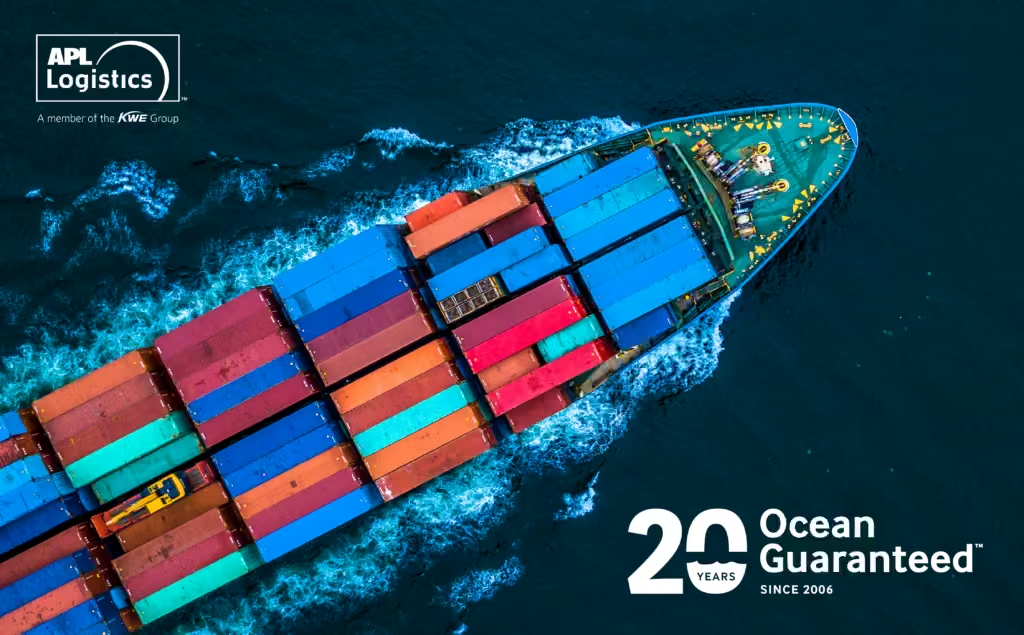
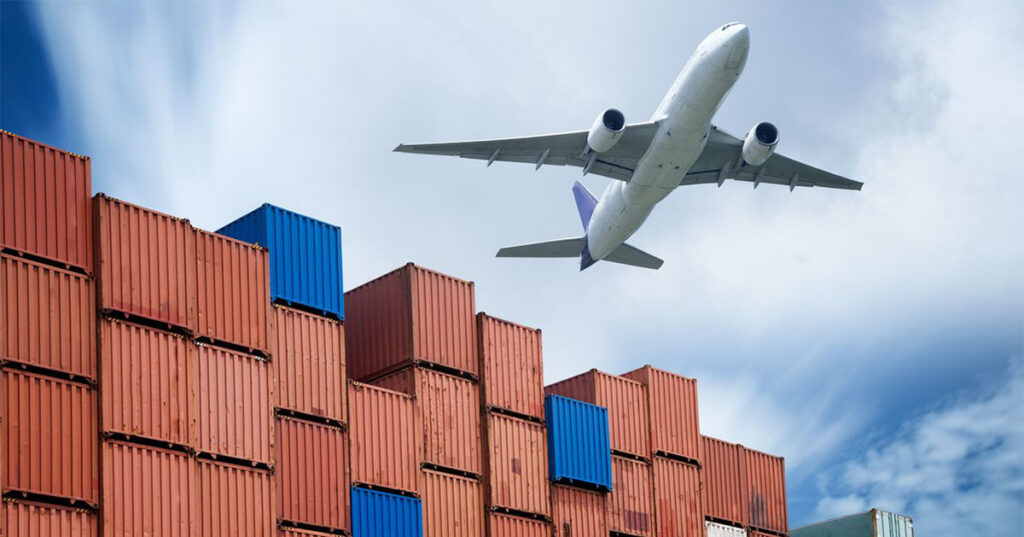
APL Logistics’ OceanGuaranteedTM service is available for both FCL and LCL shipments from 13 Asian origin ports to any door in the continental United States with select LCL coverage in Canada and Mexico. If the committed delivery date is missed, the service is backed by a 20% money-back guarantee. OG costs up to 65% less than air freight and has up to 95% fewer carbon emissions. Contact us today to get started.
Back to Articles
Updates
Subscribe to The Pulse Newsletter
Get in Touch
Whether you have a question, need support, or want to learn more about our logistics solutions, fill out the form below and our team will get back to you as soon as possible.
We'll be in touch soon.






.avif)
.avif)

.avif)

.avif)


























Your Partner for Connected, Integrated Solutions
APLL works with enterprises that manage complex supply chains, delivering custom solutions and reliable execution.